Silicone is a versatile material for soft parts.

Silicone offers a unique combination of safety, durability, flexibility, and aesthetic appeal. These characteristics make it valuable for products that require repeated handling, contact with food or skin, exposure to extreme temperatures, or a premium tactile experience.

  • LSR
  • HCR
  • Platinum curing
  • Overmoulding
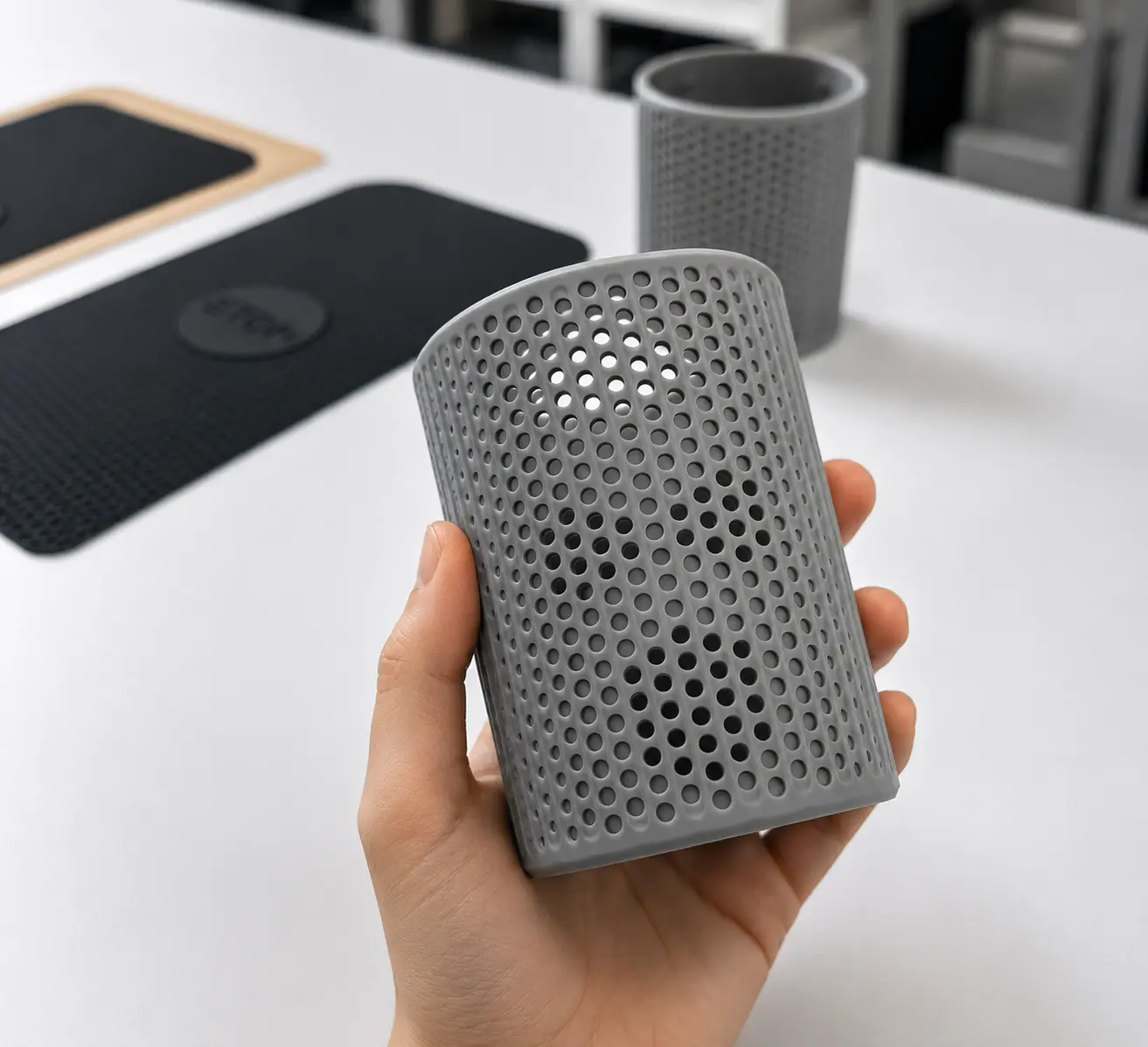
Hand holding a grey perforated silicone cylinder above a table with black silicone mats
Made in Taiwan, managed by Pilotfish

Material choice

Advantages and disadvantages of silicone

Silicone offers unique performance characteristics that make it the preferred material for many demanding applications. Here’s how it compares.

Advantages

Why choose silicone compared to TPE or TPU

  • Temperature Resistance

    Remains stable in high and low temperatures, typically from −50°C to over 200°C.

  • Flexibility & Elasticity

    Maintains its shape and flexibility even after repeated use.

  • Chemical Resistance

    Resists water, oils, UV exposure, and many common household chemicals.

  • Food & Medical Safe

    Available in grades approved for food-contact and medical applications.

  • Electrical Insulation

    Provides excellent insulation for electronic and electrical products.

  • Long-Term Durability

    Resists aging, cracking, weathering, and prolonged exposure to sunlight.

Disadvantages

What to consider before choosing silicone

  • Higher Part Cost

    Typically more expensive per part than injection-moulded TPE or TPU.

  • More Complex Bonding

    Silicone is difficult to bond to plastics or metals using standard adhesives or double-sided tape.

  • Overmoulding May Be Required

    Bonding silicone to rigid plastic or metal parts may require overmoulding.

Process

Silicone Parts Moulding Process

Silicone parts production process is different from injection moulding of TPE (thermoplastic elastomer).

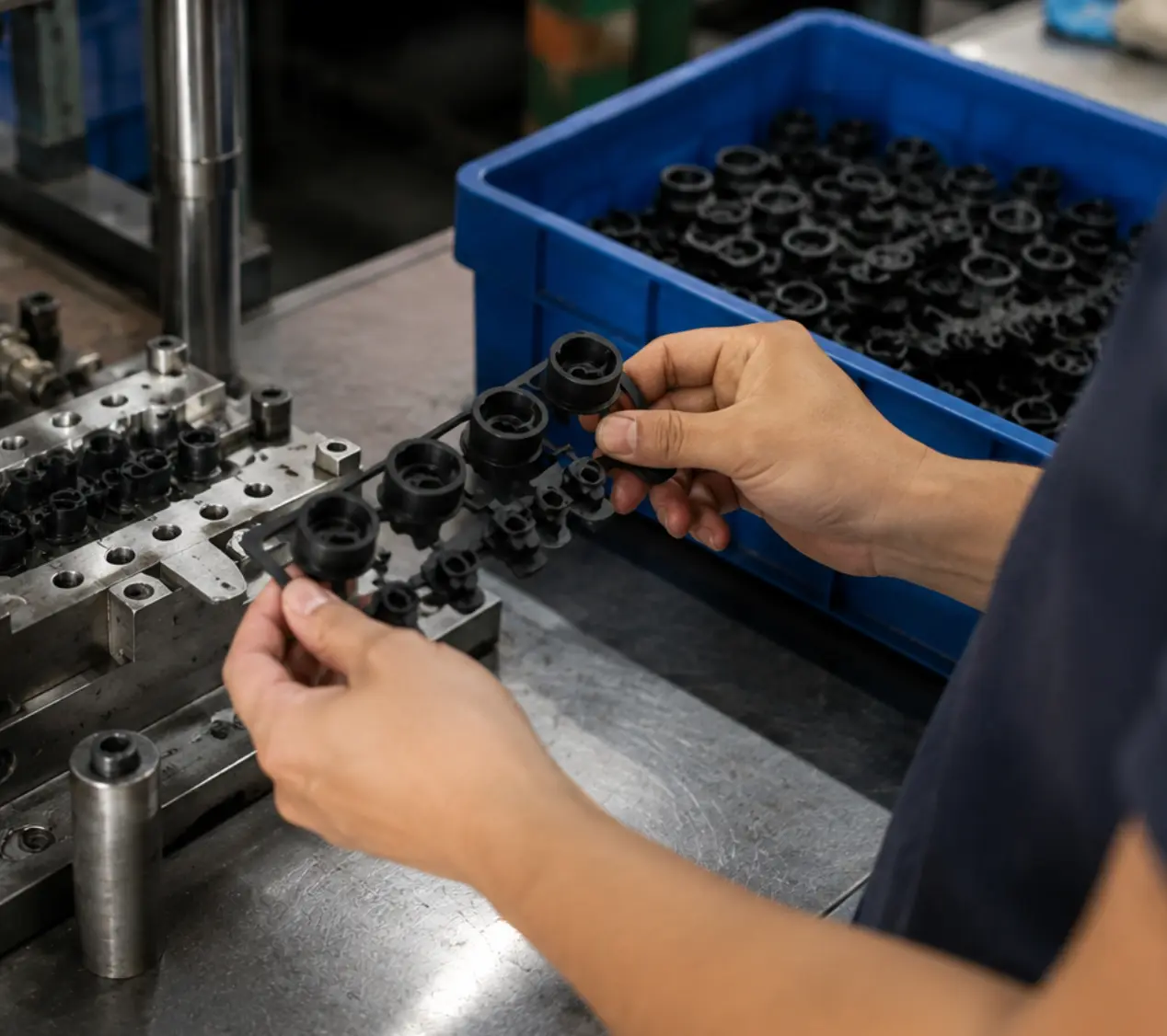
First the silicone raw material is prepared and then pressed into a steel tool. Then the silicone is cured; the chemical process where the shape becomes permanent. One production cycle is about 5 minutes, and several parts are often combined in one tool to reduce the production cost.

Operator removing black silicone parts from an open steel tool, with a crate of finished parts behind
  1. 01Quick Production Cycle
  2. 02Several parts in one tool
  3. 03Precision steel tooling
  4. 04Lower cost per part

Materials

Types and curing

Silicone Types

LSR and HCR differ significantly in how they are handled and processed: LSR is a liquid material commonly used in automated injection moulding, while HCR has a solid, gum-like consistency and can be compression moulded or extruded.

LSR (Liquid Silicone Rubber)

For high-volume precision moulding.

HCR (High Consistency Rubber)

For moulded and extruded products such as seals and gaskets.
Curing options

Curing is the step where the silicone takes its permanent shape. Silicone parts can be produced using peroxide curing or platinum curing, depending on the application.

Peroxide Curing (Heat Curing)

Uses heat and peroxide to cure silicone into its final shape.

Platinum Curing

Uses a platinum catalyst to cure silicone with high purity.

Finishing

Colour and electronics, built into the part

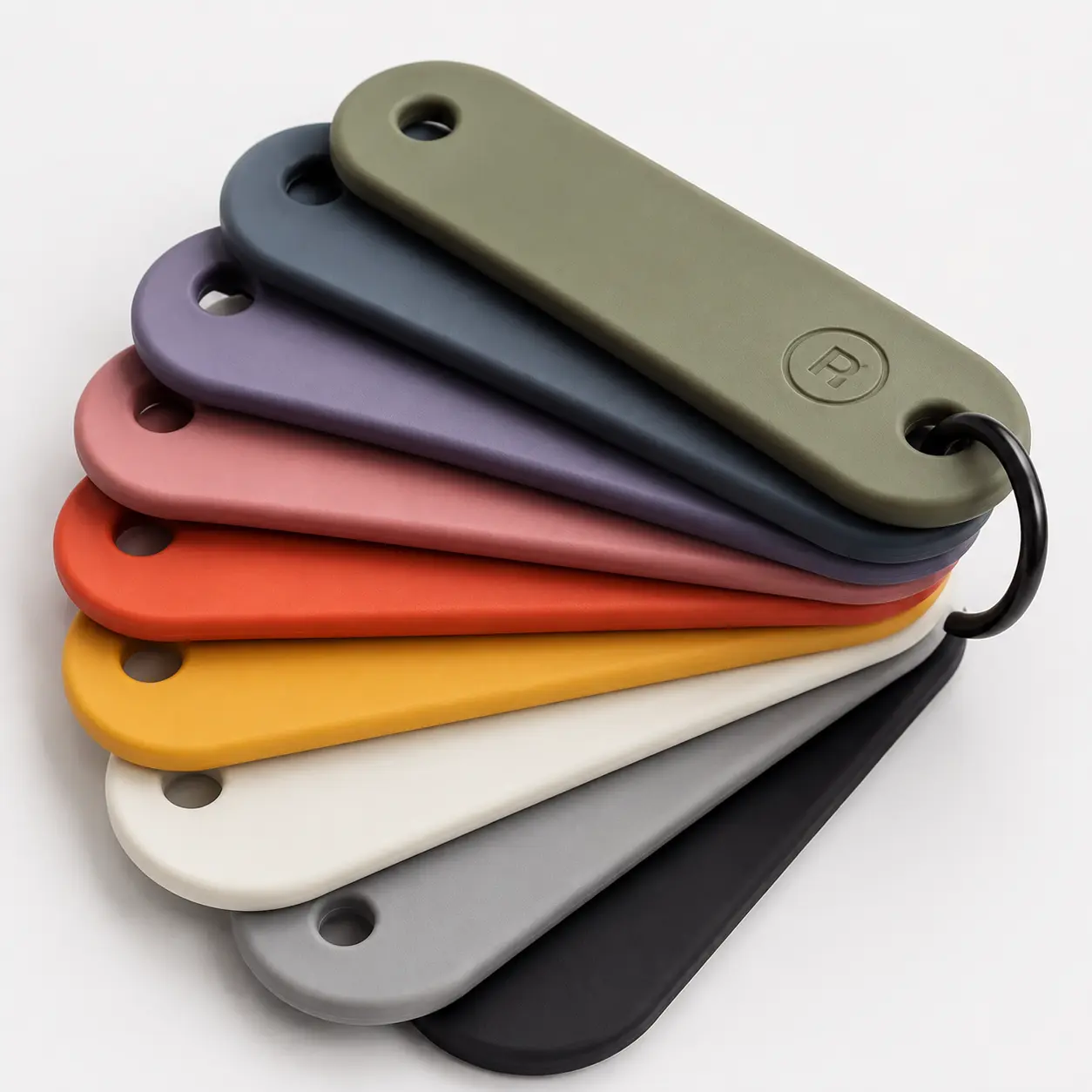
Fan of silicone colour samples in green, blue, lavender, pink, orange, yellow, white, grey and black on a ring
01 / 02 · Custom Colours

Custom Colours

Silicone parts can be made in various colours by adding a colour additive. For medical devices and food-contact applications, biocompatible colour additives are available.

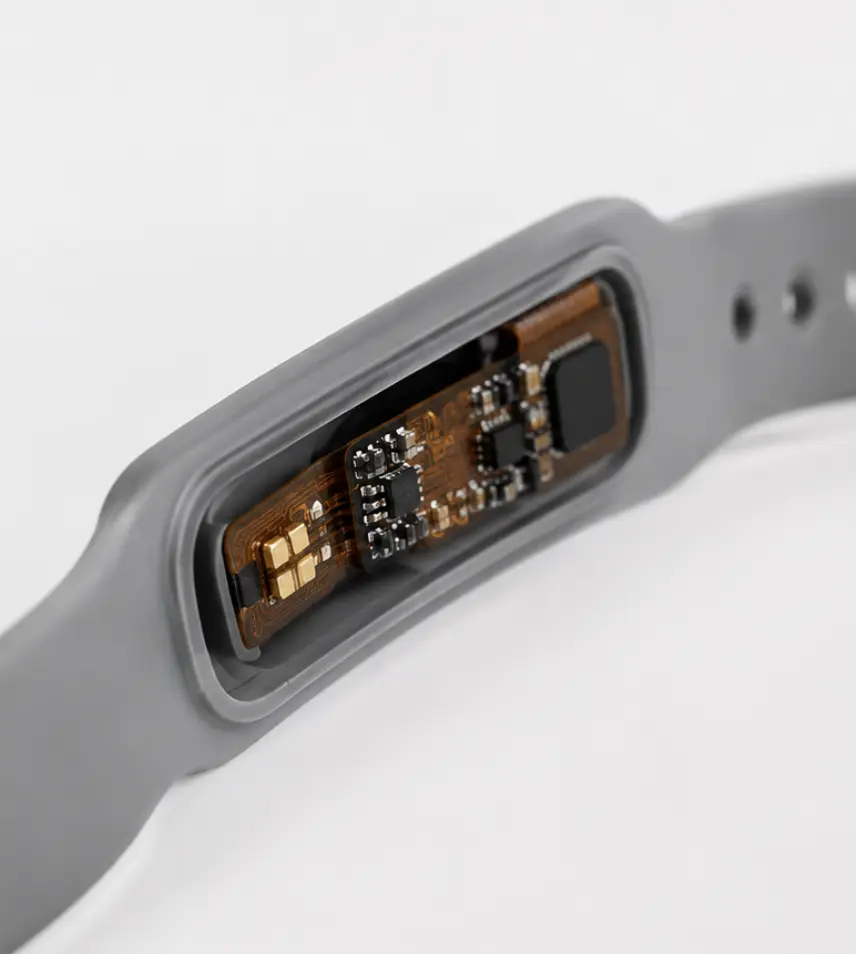
Grey silicone wristband with a flexible circuit board sealed inside a clear window
02 / 02 · Overmoulding of Electronics

Overmoulding of Electronics

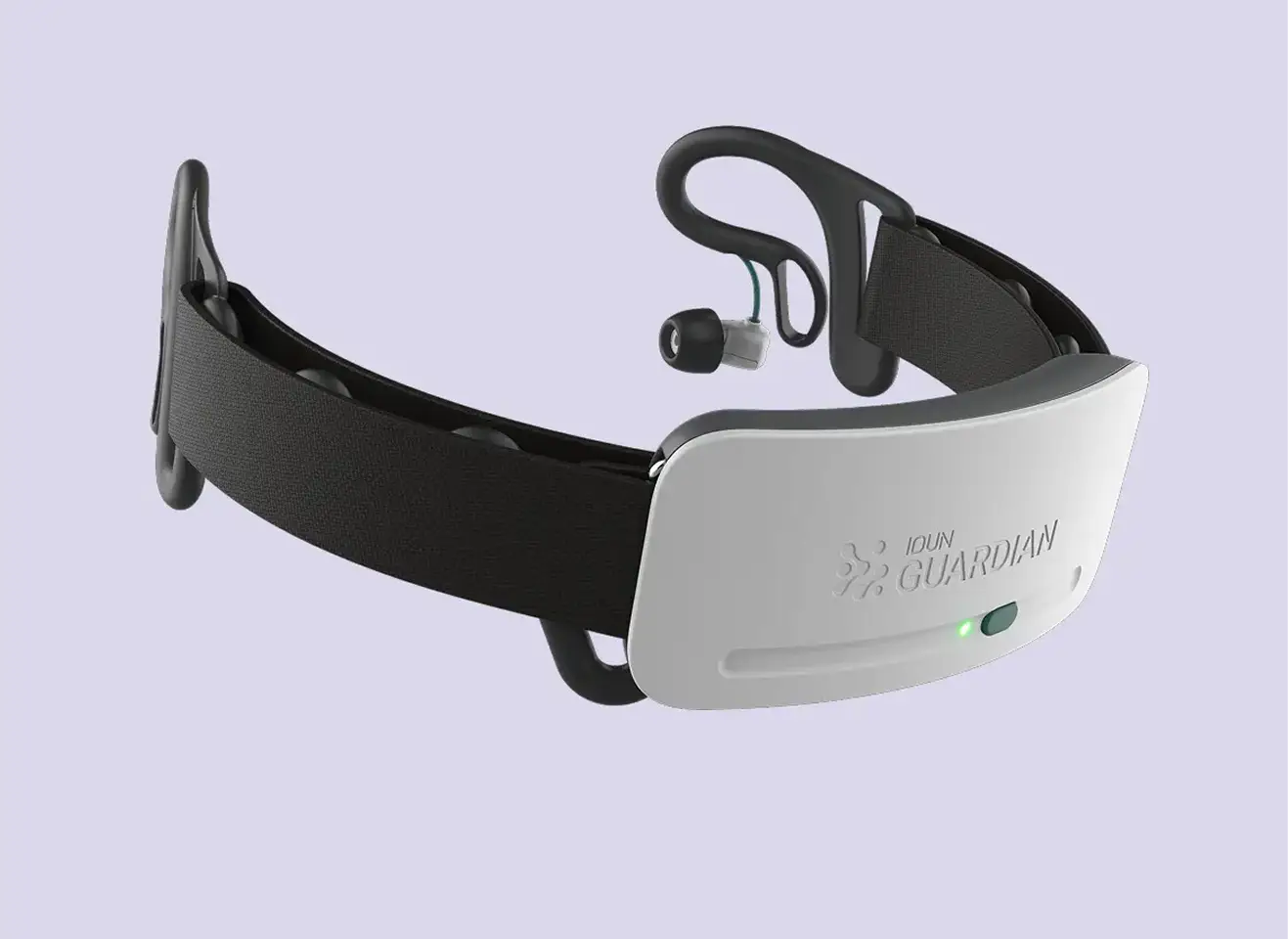
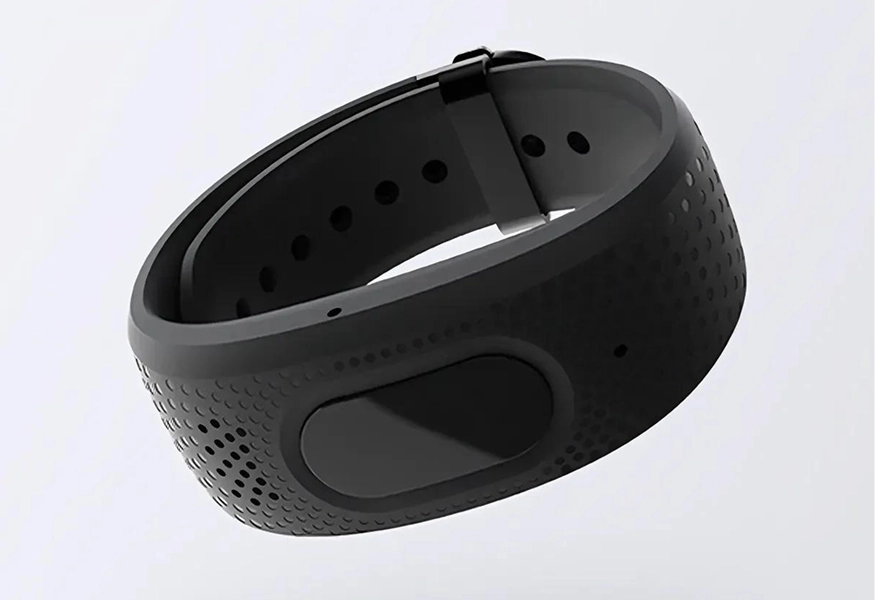
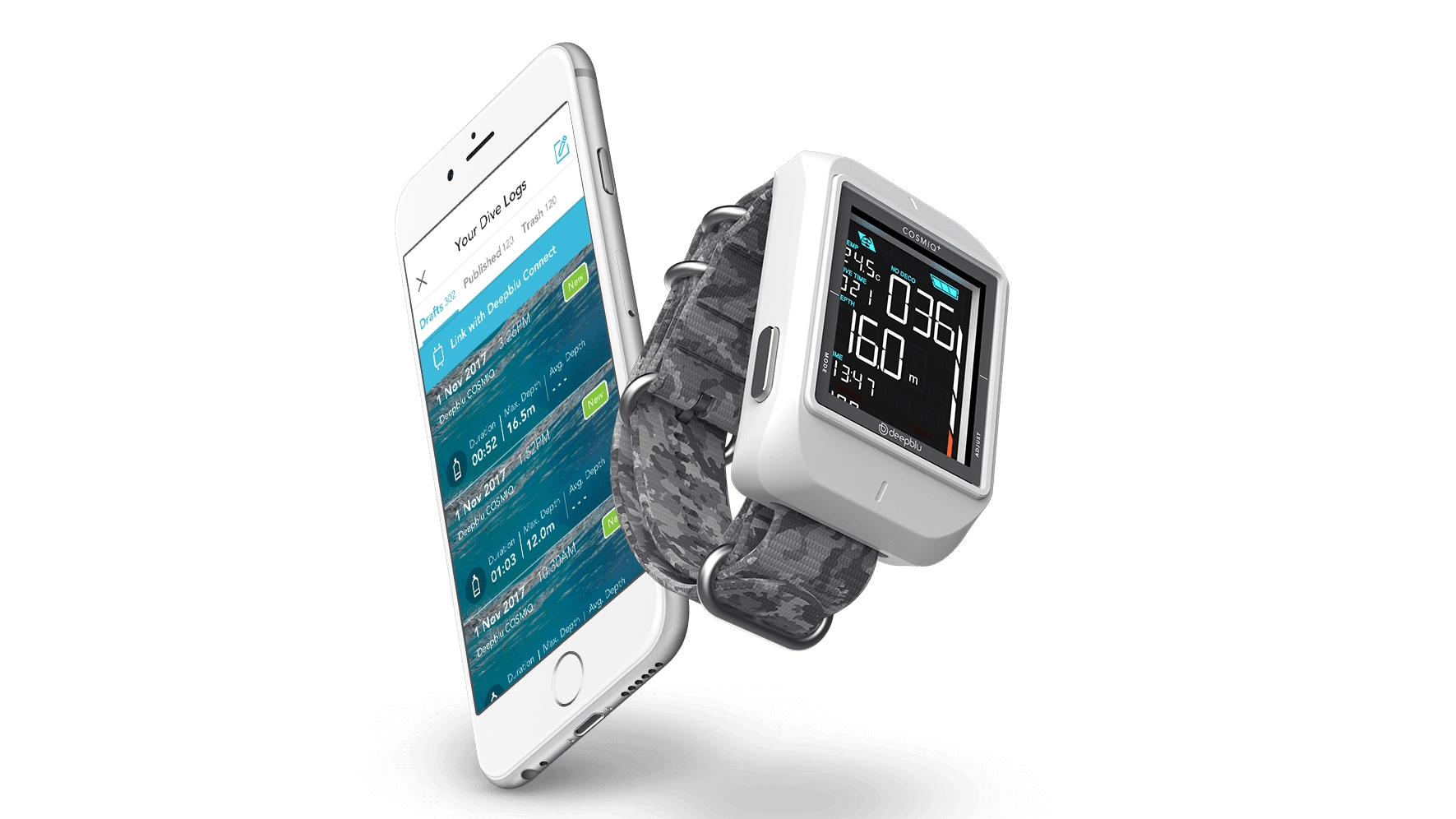
Electronics can be overmoulded and protected with silicone. This is particularly useful in wearable electronics, where silicone provides comfortable skin contact while protecting the integrated FPC.

Manufacturing · Silicone Parts

Ready to develop your silicone part?

From concept and tooling to production, we help companies bring high-performance silicone parts to market.