Service 04 / 07
Human Factors Engineering for Safe and Intuitive Products
Design safe, intuitive products by integrating human factors, risk management, and engineering to ensure usability, safety, and certification readiness.

Our capabilities
Human factors across the full lifecycle.
Human Factors Engineering at Pilotfish spans the full development lifecycle, from early user research to final validation and regulatory documentation.
We generate qualitative insights through user research and quantitative evidence through formative and summative evaluations, integrating both with structured risk management and traceability to ensure every usability decision is justified, documented, and compliant.
- 25+ Years of product development
- 40+ Designers and engineers
- ISO 13485 and 9001 certified processes

At Pilotfish, Human Factors Engineering (HFE) is fully integrated into product development from the earliest stages, ensuring that devices are safe to use, intuitive, and aligned with real-world behavior. We help teams build products that are safe to use and great to use, by focusing on everything from cognitive ergonomics to regulatory expectations.
What we deliver
Human Factors Engineering in 5 capabilities.
- 01 Validation of User Needs We define user needs based on real use, observed in practice. Through targeted research such as expert interviews, workflow mapping, and focused discussions we confirm that identified needs reflect actual conditions in practice. This helps to set the right direction early, before design decisions introduce unnecessary cost and complexity.
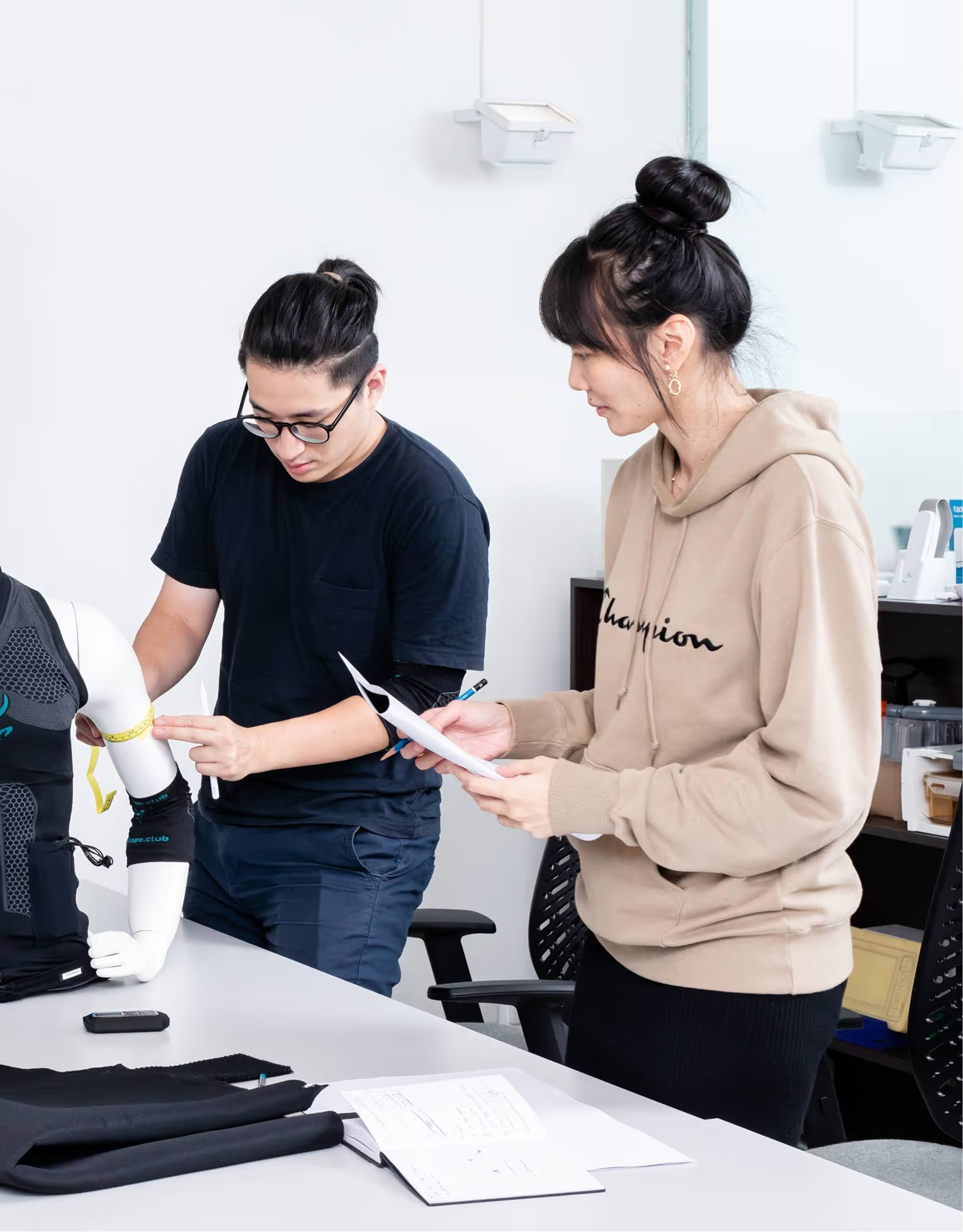
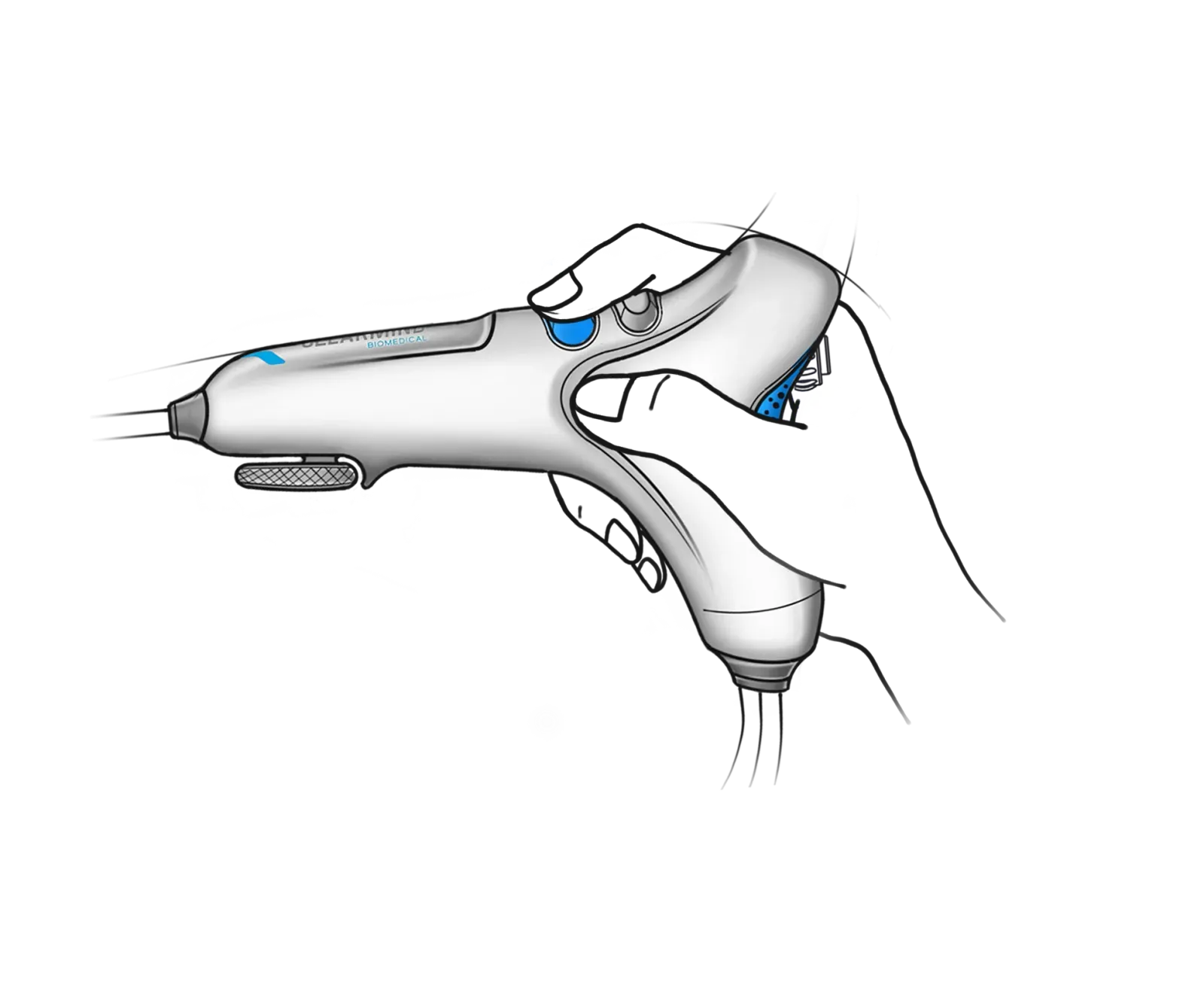
- 02 Establishing Use & User Interface Specifications We define how the product will be used and how users will interact with it. Through observational studies, contextual inquiry, task analysis, and user profiling, we document the use environment and identify potential use errors early. These insights form the foundation for design, engineering, and risk management decisions.
- 03 Use-Related Risk Assessment (URRA) Use-Related Risk Assessment is integrated into our ISO 14971-based risk management process. We identify safety-critical user interactions, classify hazards and potential harms, and define mitigation strategies from the start.
- 04 Formative Evaluations We test early and iterate continuously with representative users. Using a mixed methods approach, we combine observed user behaviour and feedback with measurable data such as task success, time on task, and error frequency to identify usability issues, safety concerns, and areas for improvement.
- 05 Regulatory Documentation & Compliance Support We build compliance into the process from the first activity. All activities are documented within a Usability Engineering File aligned with IEC 62366-1, MDR, and FDA guidelines. Deliverables are structured to integrate directly into your technical documentation, accelerating certification. Compliance & Regulatory Support



Why choose us?
Why teams choose Pilotfish.
Human Factors Engineering runs inside one team that also designs, engineers and manufactures, so every decision carries through to production.
- Fully integrated process under one roof
- Hands-on expertise across hardware and software
- Proven impact on product success
- Certification-ready documentation
Related projects
Human Factors Engineering in practice.
-
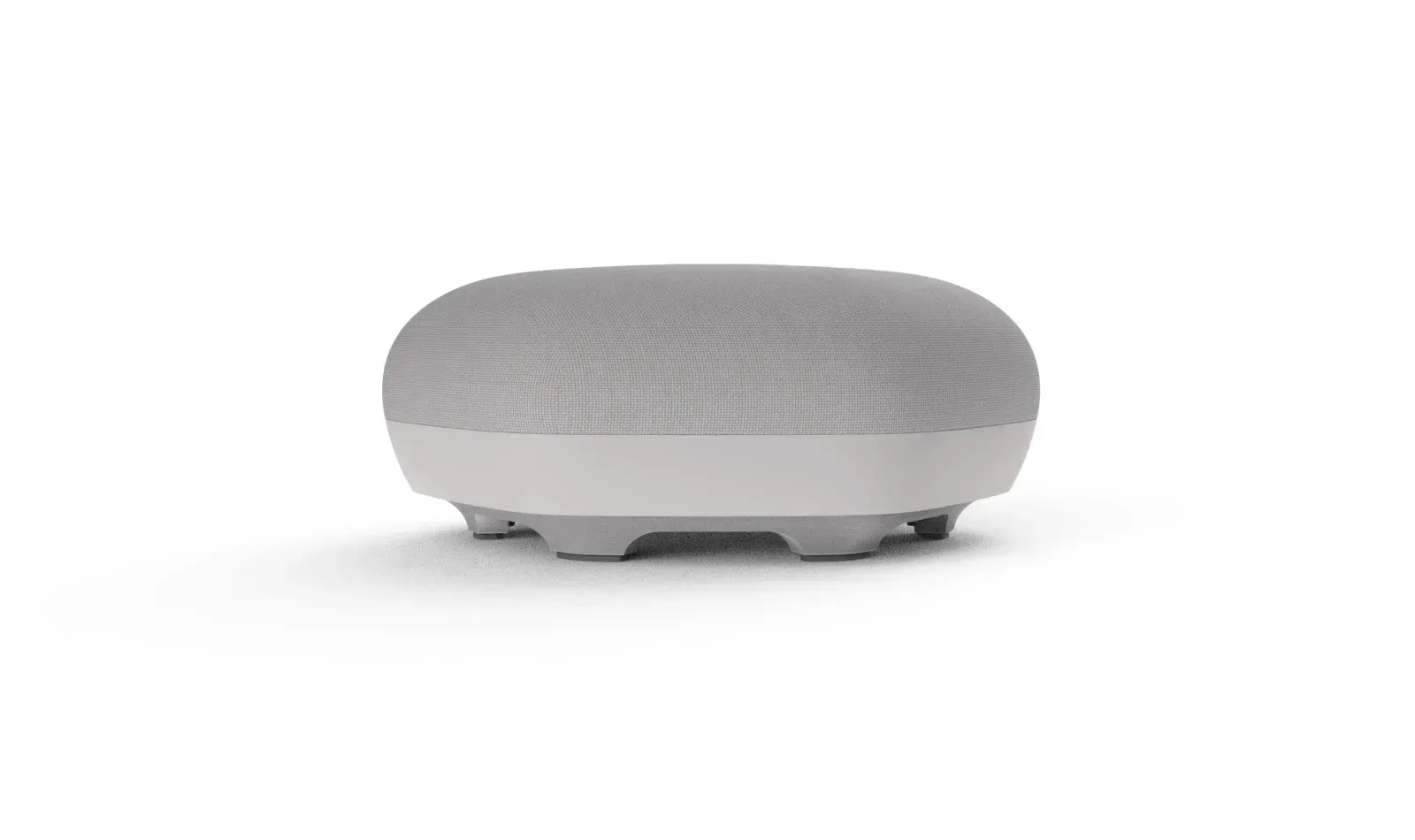 Carepath Technologies GmbH A discreet at-home device that objectively tracks cough patterns to support faster, more accurate respiratory diagnostics. View case
-
 Pranaq TipTraQ, created by Pilotfish and Pranaq, improves sleep disorder diagnosis through smart biometric design. View case
-
 iXensor A range of mobile diagnostic devices that turns smartphones and compact electronics into powerful diagnostic tools. View case
01 When should Human Factors Engineering start?
At the earliest stages. HFE spans the full lifecycle, from validating user needs and establishing use specifications to formative evaluations and final documentation, so usability decisions shape the design while changes are still cheap.
02 Which standards does your usability engineering follow?
All activities are documented within a Usability Engineering File aligned with IEC 62366-1, MDR, and FDA guidelines. Use-Related Risk Assessment is part of our ISO 14971-based risk management process. See ISO 13485 development.
03 What is the difference between formative and summative evaluations?
Formative evaluations run during design: we test early with representative users and iterate, combining observed behaviour and feedback with task success, time on task, and error frequency. Summative evaluations come at the end and provide the quantitative evidence that the final design is safe to use.
04 Do HFE deliverables fit into our technical documentation?
Yes. Deliverables are structured to integrate directly into your technical documentation, which accelerates certification.
More services
One team, from strategy to manufacturing.
- 01 Product Strategy & Definition Turn your ideas into strategic product direction through Product DNA development and early risk assessment.
- 02 Product Design Design products with usability and manufacturability in mind, ensuring they are ready for production.
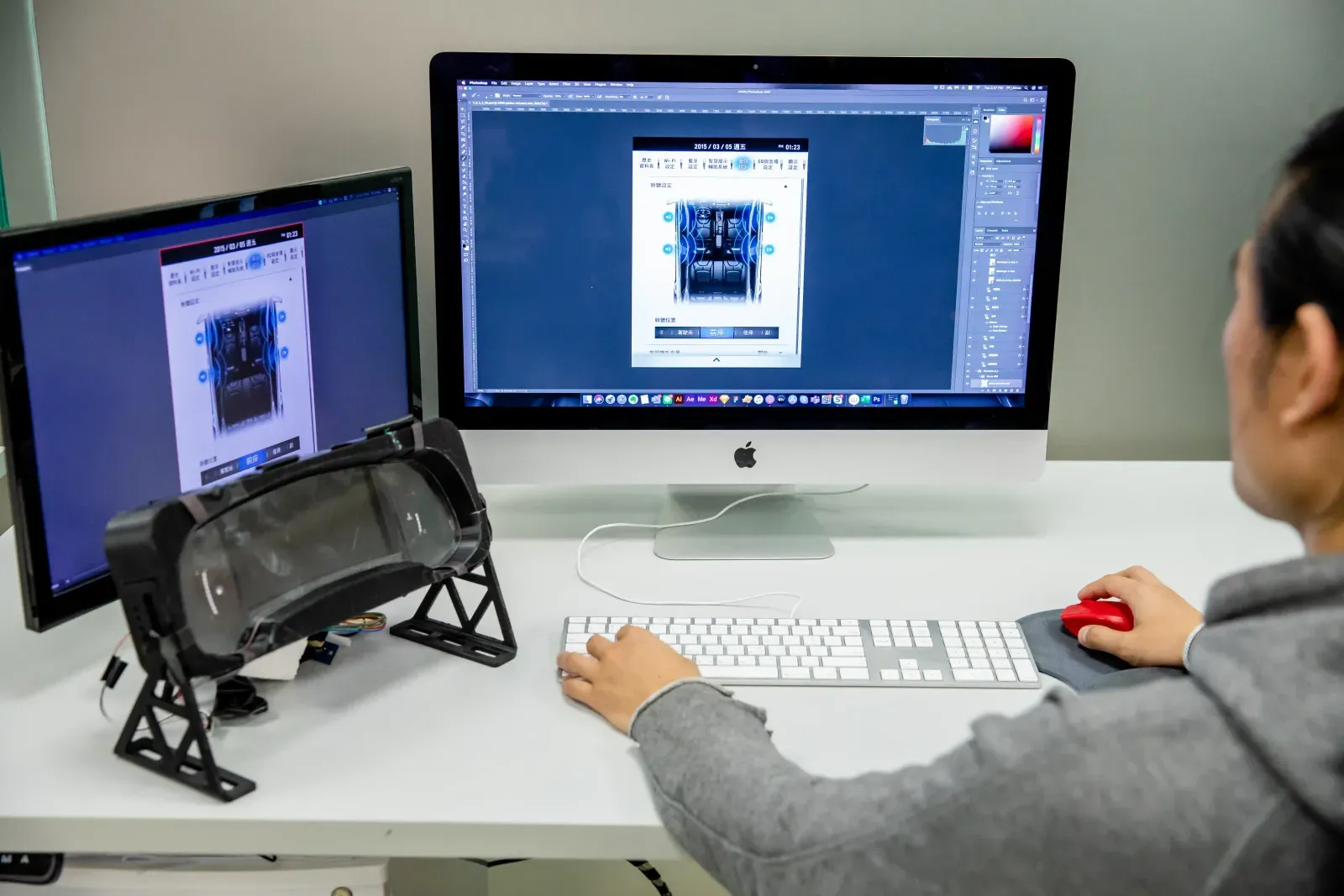
- 03 UX & UI Design Enable intuitive interaction across physical and digital systems.
- 05 Validation & Verification Ensure products meet user needs, technical requirements, and regulatory expectations through testing and validation to reduce risk and ensure performance.
- 06 Compliance & Regulatory Support From early identification of applicable standards to final certification support.
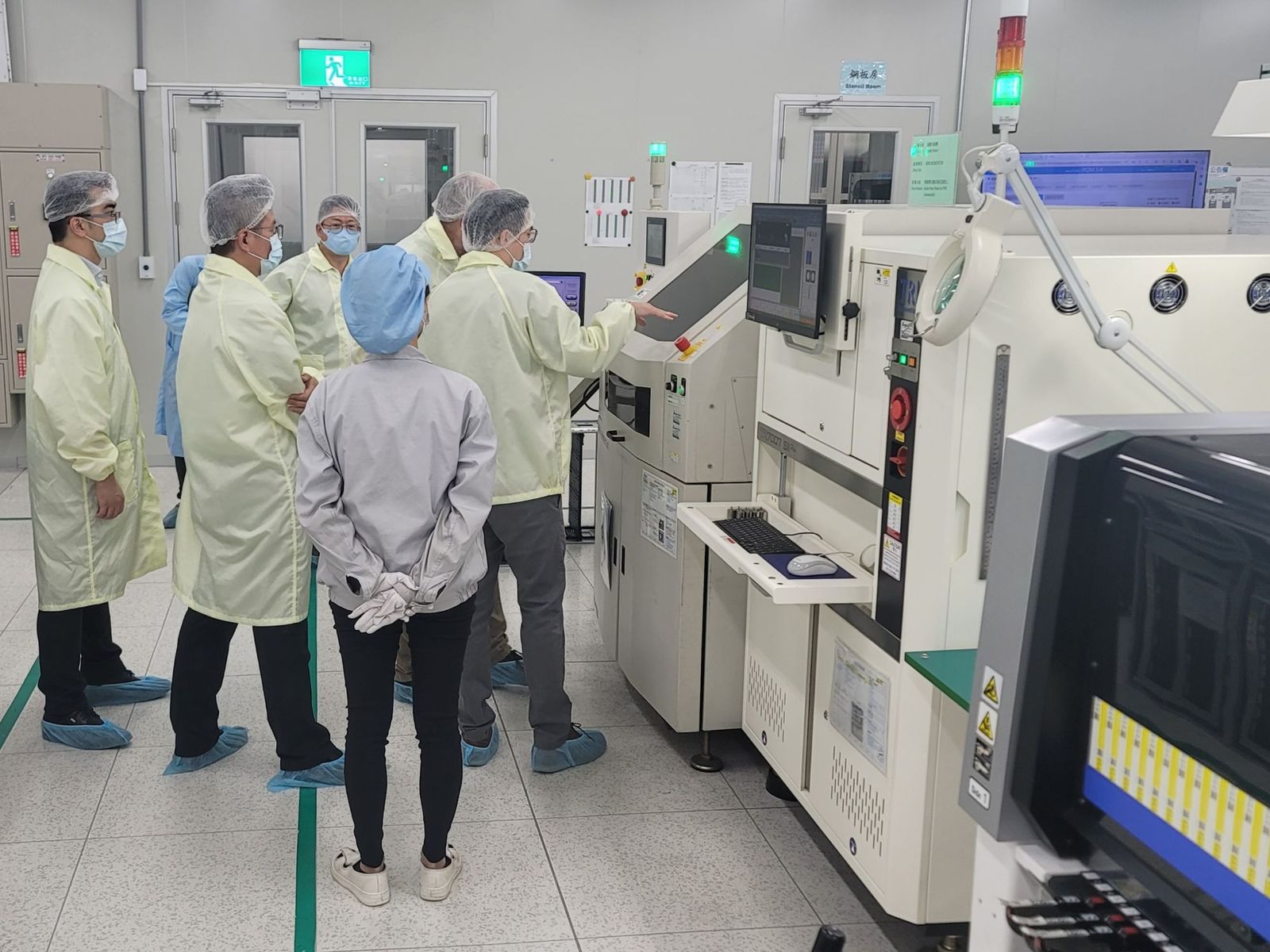
- 07 Industrialisation & Manufacturing From custom product design and DFM to tooling and manufacturing, we provide a single point of contact for turning innovative ideas into high-quality, market-ready products.




Talk to an expert
Reduce risk. Improve usability. Accelerate certification.
Let’s integrate Human Factors Engineering into your product from day one.