MedTech market
Medical device design and development services
Pilotfish is a medical device design and development company working with startups and established organisations across Europe, Asia and North America.
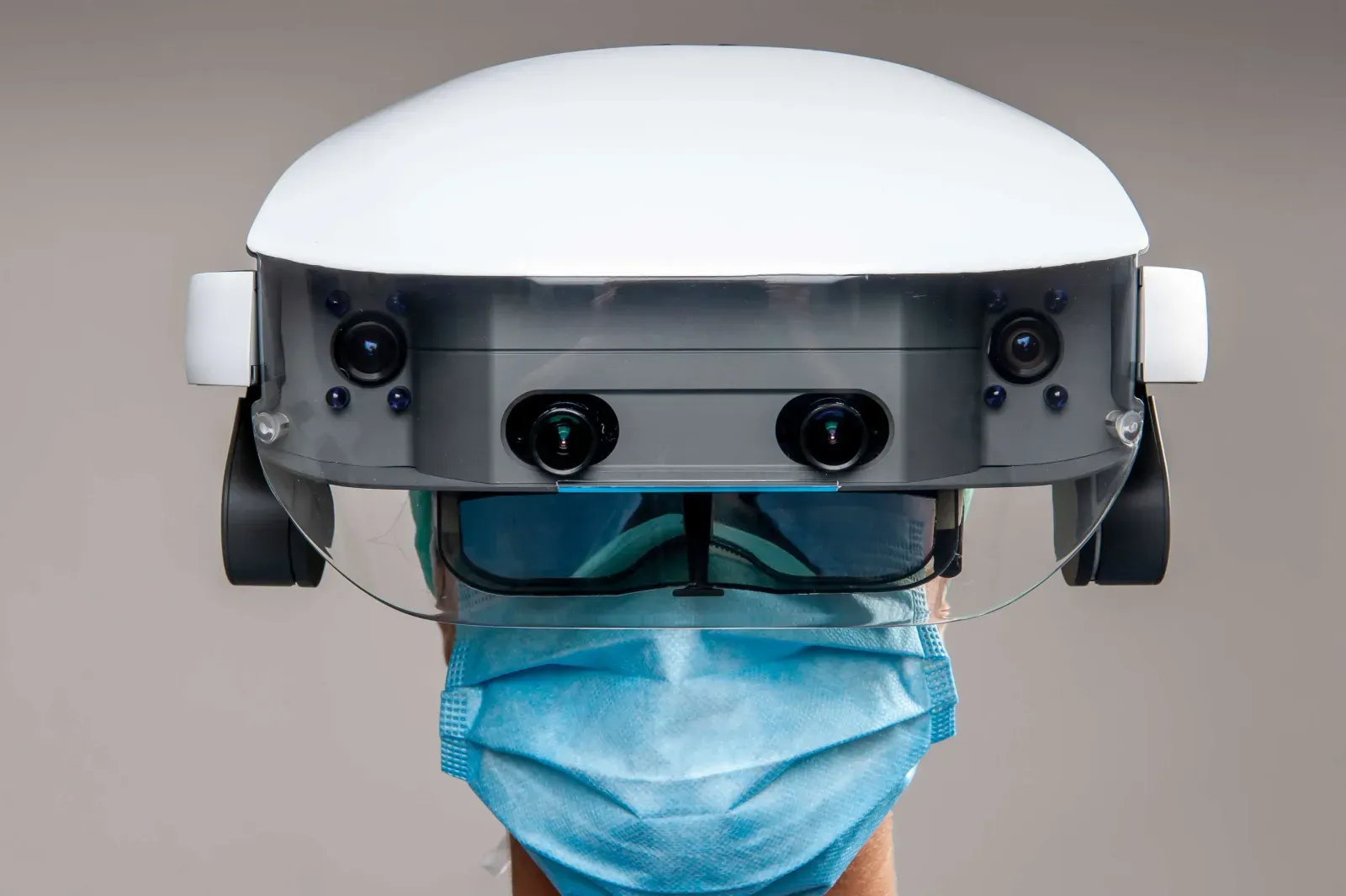
MedTech product development
Our medical device development services cover the full product lifecycle, from early-stage research through regulatory submission and production ramp-up.
We support companies in developing medical devices, providing safety, usability, and compliance from the very first decision to production-ready products. By combining human-centered design, engineering, and regulatory know-how, we help reduce development risk and shorten time to market.
Medical products don’t exist in isolation. They are often used in complex environments, by different types of users, under pressure, and mostly with little room for error. That is why we focus from the beginning on how a device will actually be used, manufactured, and approved.
Focus areas
Where we contribute in MedTech
Whether you are building a medical wearable, a portable diagnostic device, a connected patient monitoring system, or a surgical tool, our approach adapts to the use environment, risk classification, and regulatory pathway of your product.
Different types of medical devices come with different constraints. Use context, risk level, and regulatory pathways all shape our proportionate development approach.
We support teams across several key areas:
Discuss your product-
01
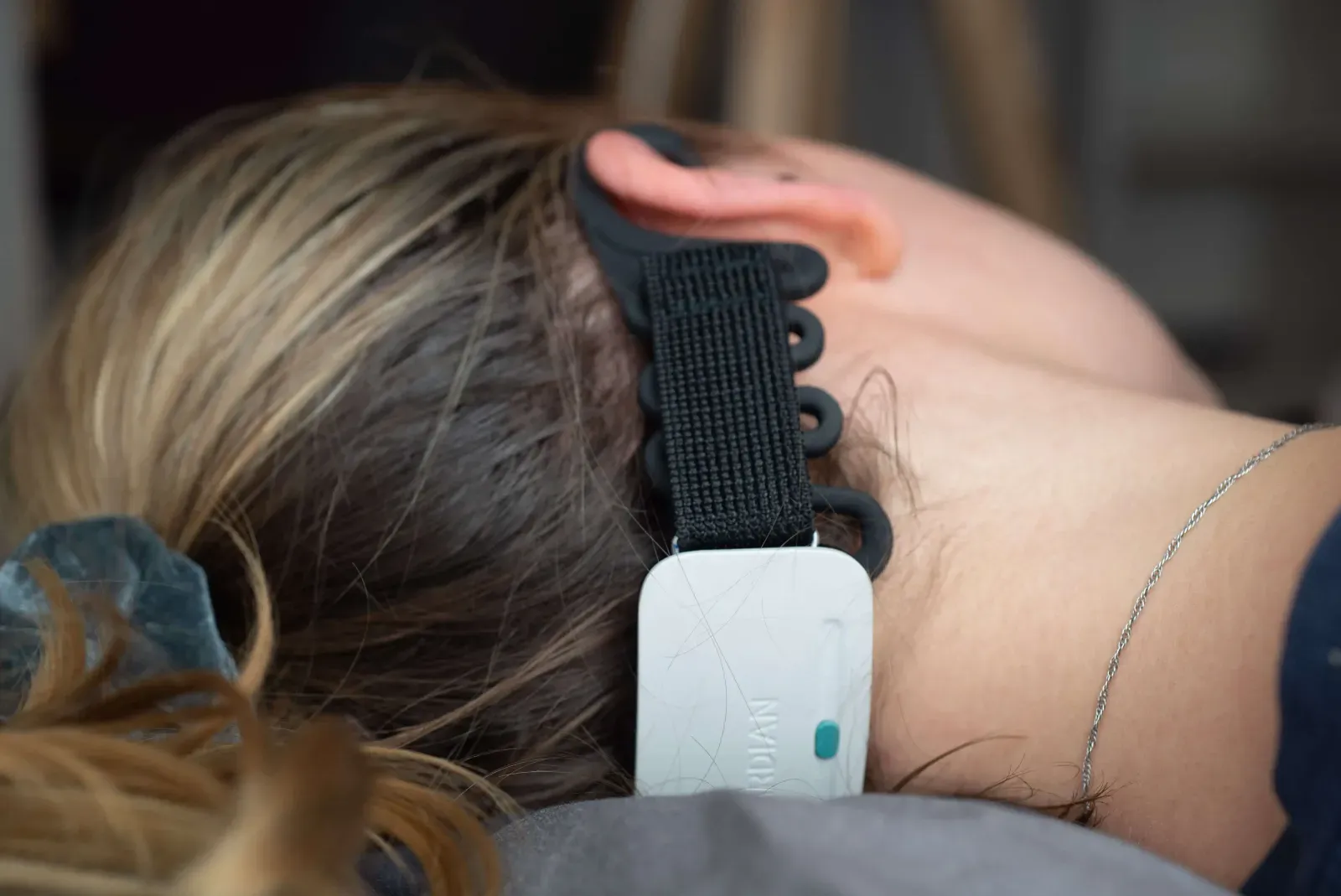
Medical wearables
Wearables are used continuously over long periods, often in real-life environments outside clinical control.
We design for sustained comfort, durability, and effortless daily use, where material choices, form factors, and long-term wearability support improved treatment adherence and better therapeutic outcomes.
-
02
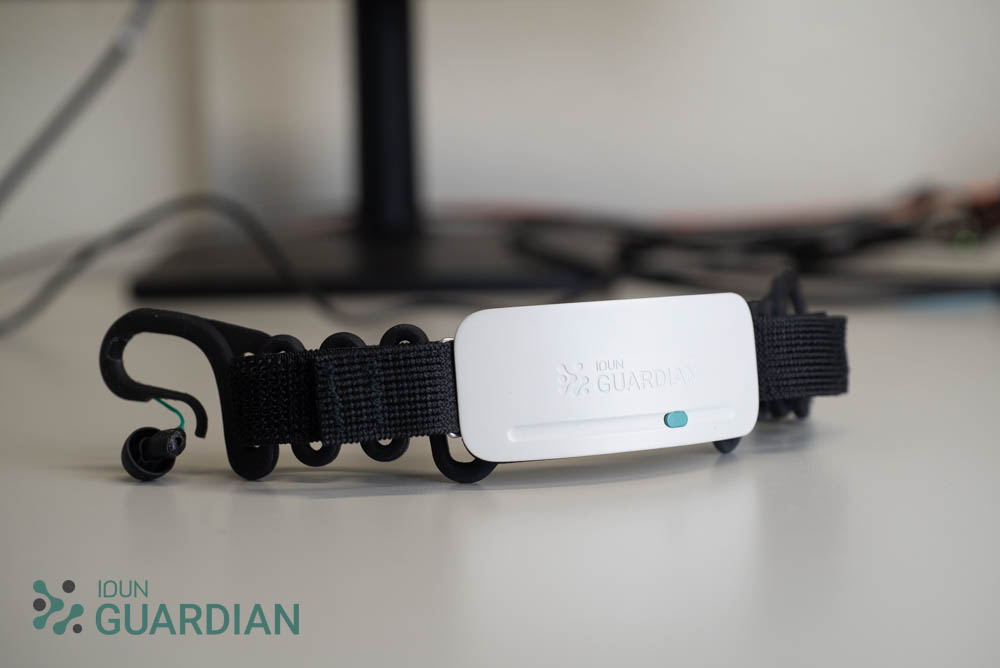
Connected and smart medical devices
Many devices are part of a broader ecosystem, combining hardware with software and data platforms.
We design connected systems that balance the needs of patients and healthcare professionals alike, making remote use intuitive for everyday life while supporting efficient clinical oversight and decision-making.
-

03
Patient monitoring devices
Monitoring devices need to provide clear, continuous insight without overwhelming the user.
We design systems for both clinical and home-care settings, addressing challenges around long-term use, data clarity, and workflow integration across evolving patient monitoring solutions.
-
04
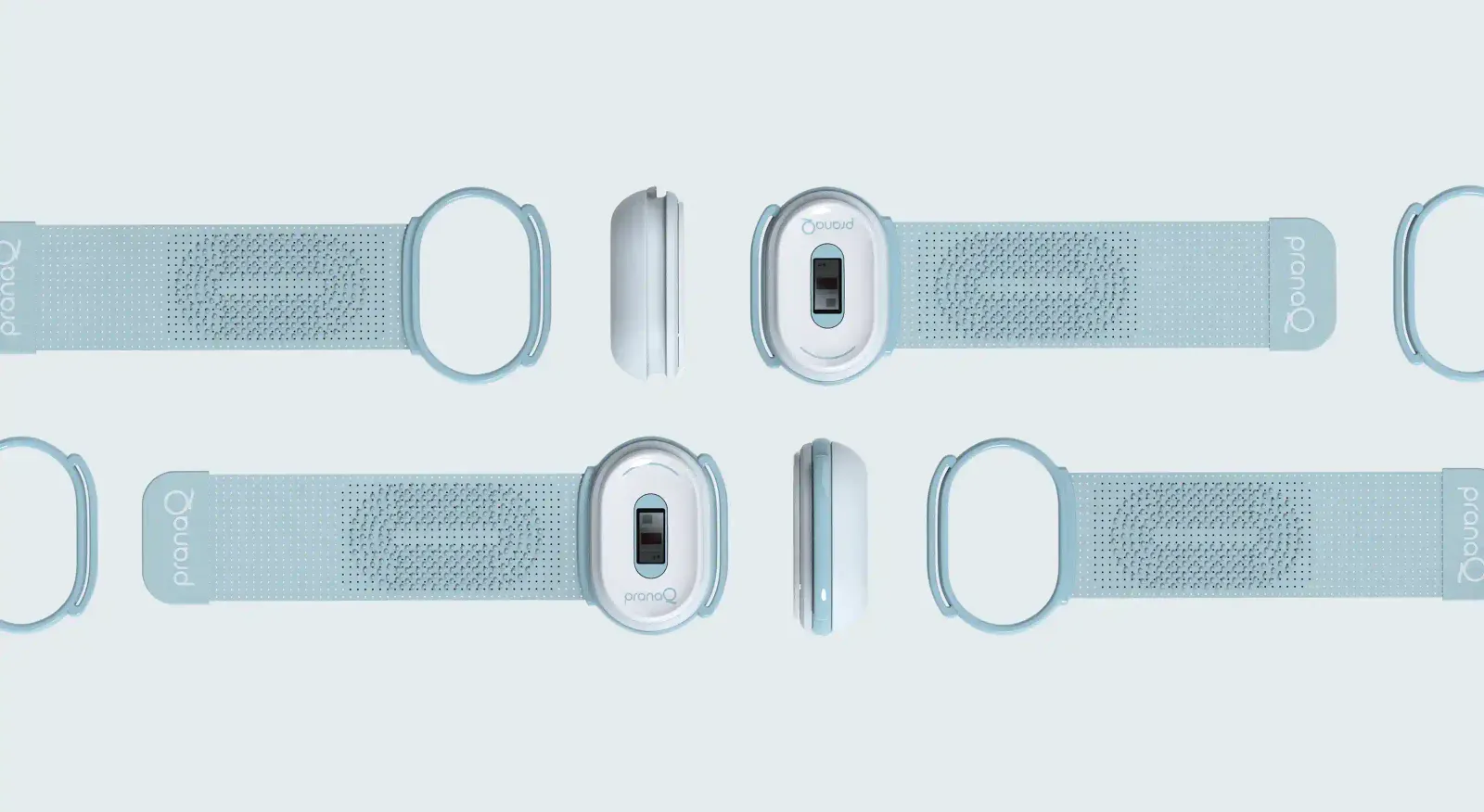
Portable medical diagnostic devices
Diagnostics are increasingly becoming faster, smaller, and closer to the point of care.
We develop portable systems where performance, usability, and technical constraints must work together, making advanced technology practical and effective in real clinical settings.
-
05
Surgical device design and development
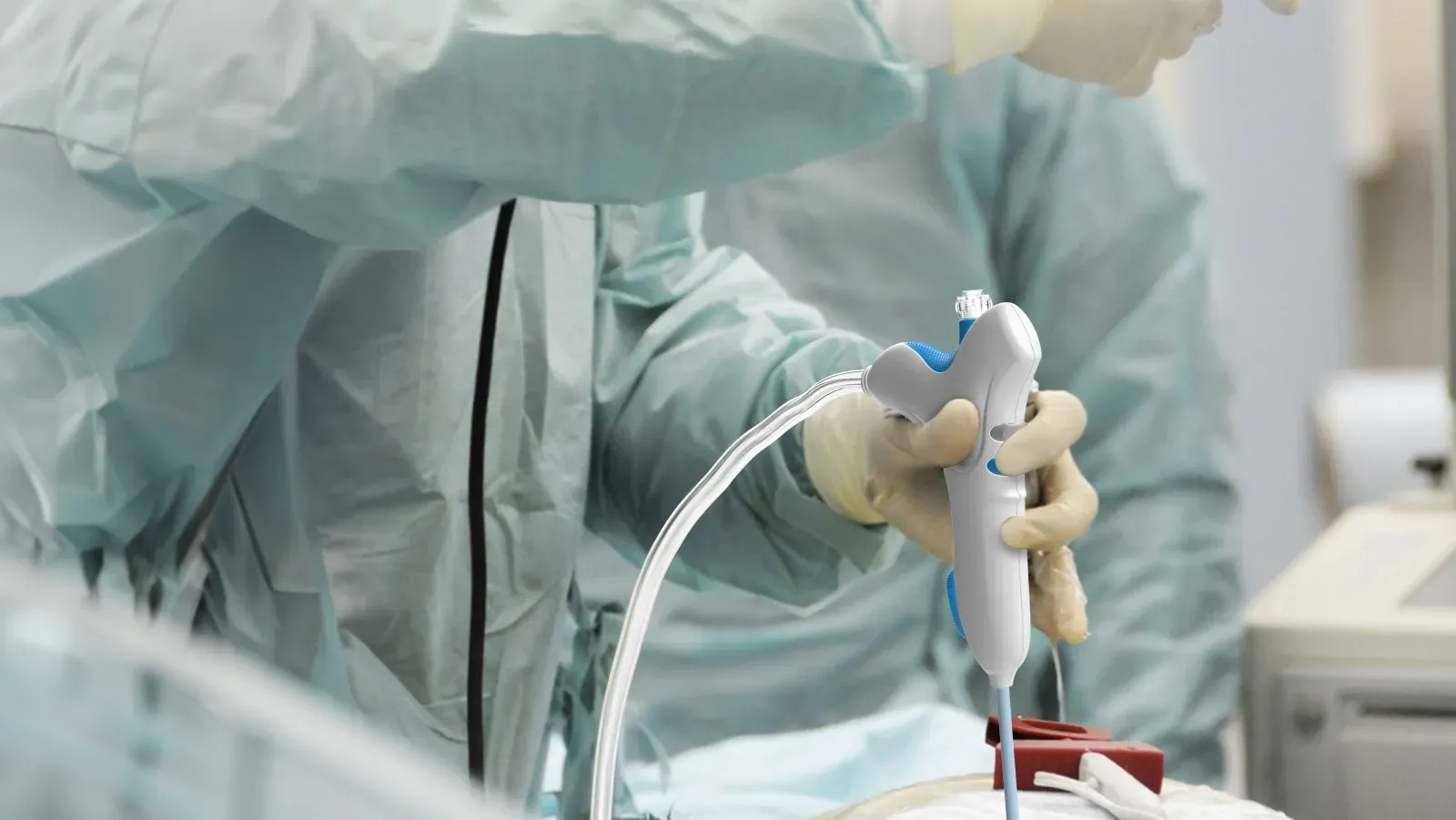
We focus on how a device adapts to the surgical team’s needs and expectations, how it fits into clinical workflows, and how interaction can be kept simple and predictable.
Our approach revolves around developing intuitive and reliable devices that minimize the chance of use errors.
Why Pilotfish
Why choose us?
Medical device development takes orchestrated collaboration between usability, engineering, and compliance experts at every stage, on top of solid technical execution.
Pilotfish brings these disciplines together through a structured development process, ensuring that products evolve from concept to certification without unnecessary delays or redesigns.
We design and engineer medical devices with production in mind from the earliest sketches. Material choices, tolerances, supplier capabilities, and assembly sequences are settled during the design phase, so the transition to manufacturing is smooth and cost-efficient.
Related projects
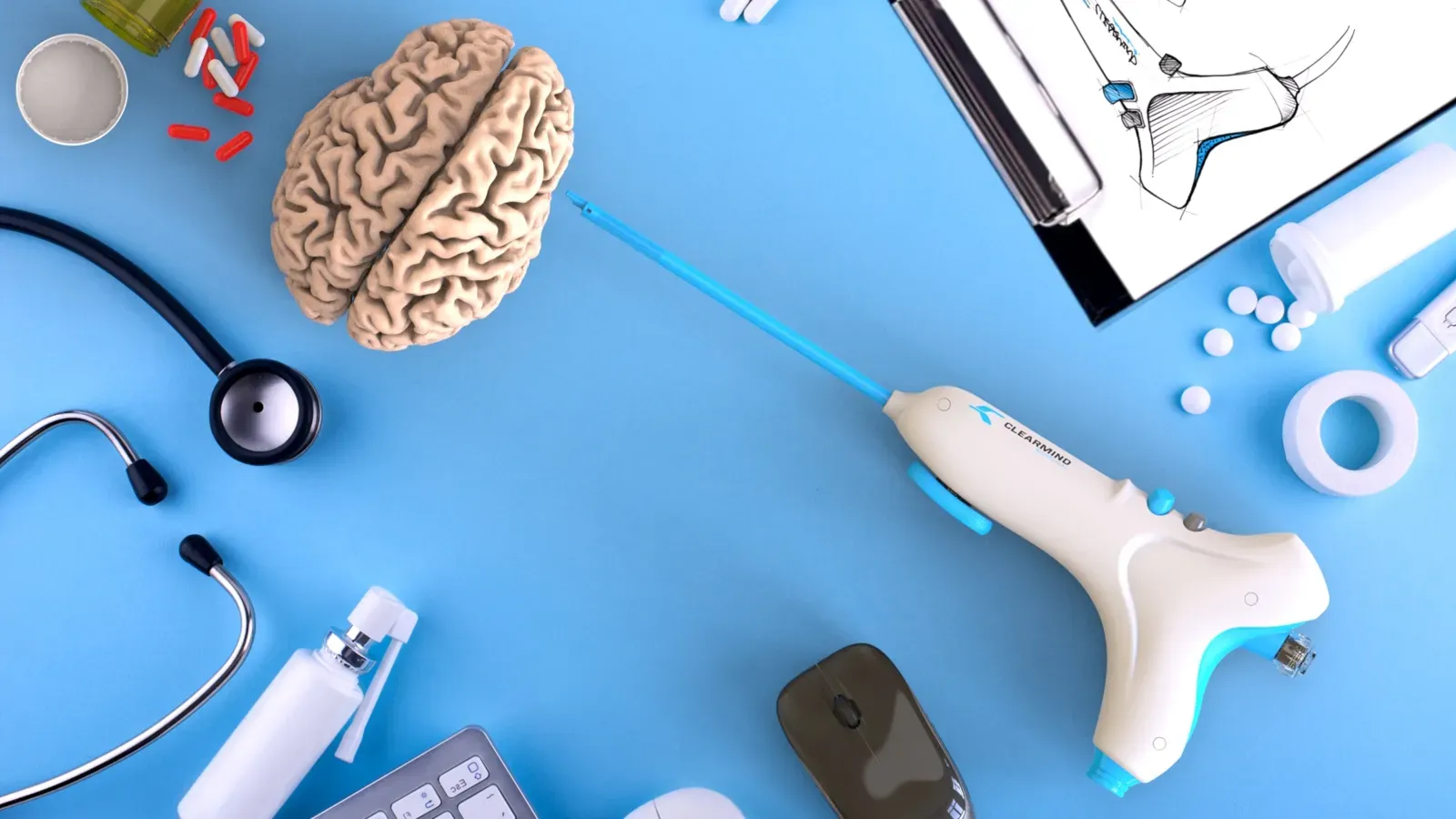
MedTech products we helped bring to market
-
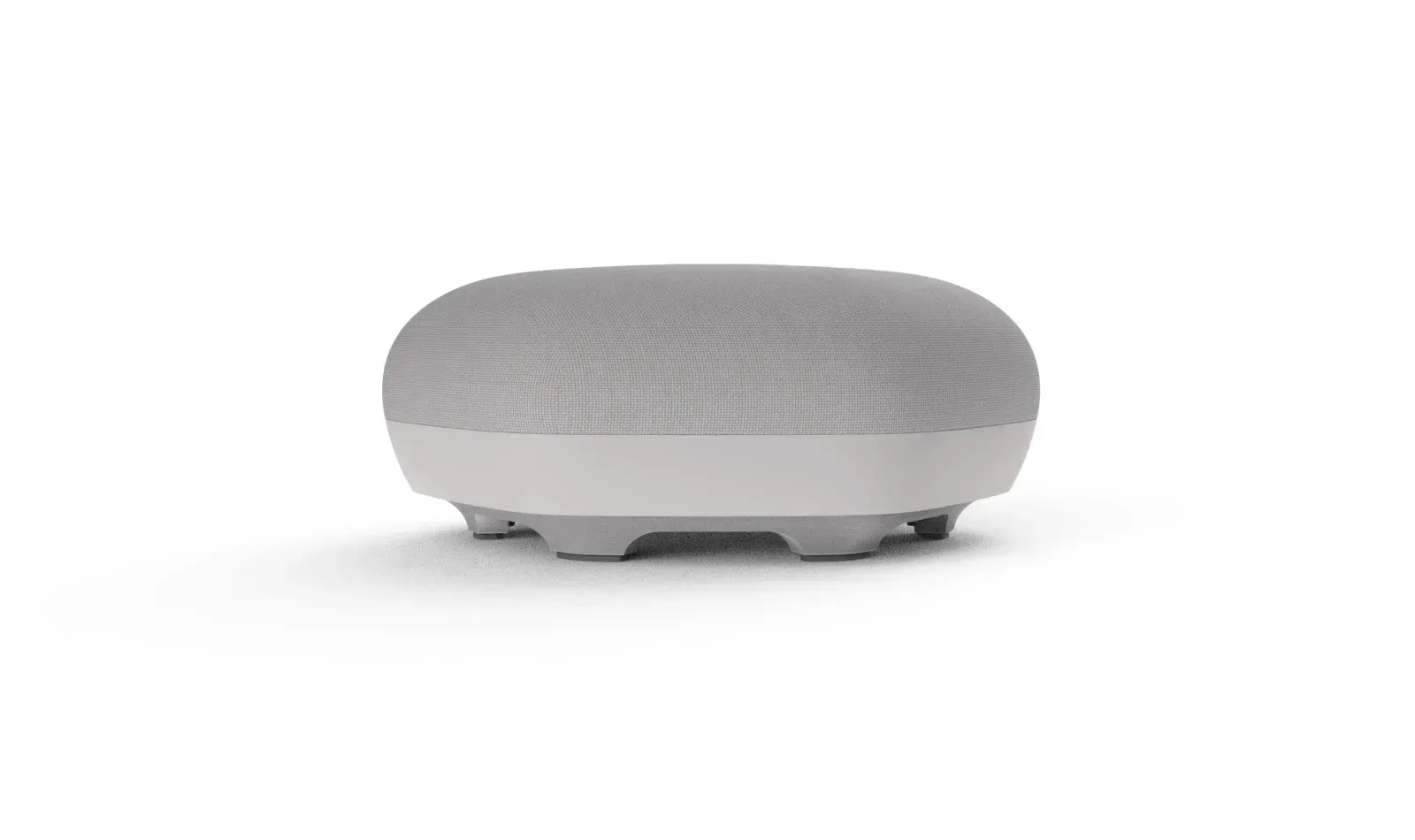 Carepath Technologies GmbH A discreet at-home device that objectively tracks cough patterns to support faster, more accurate respiratory diagnostics. View case
-
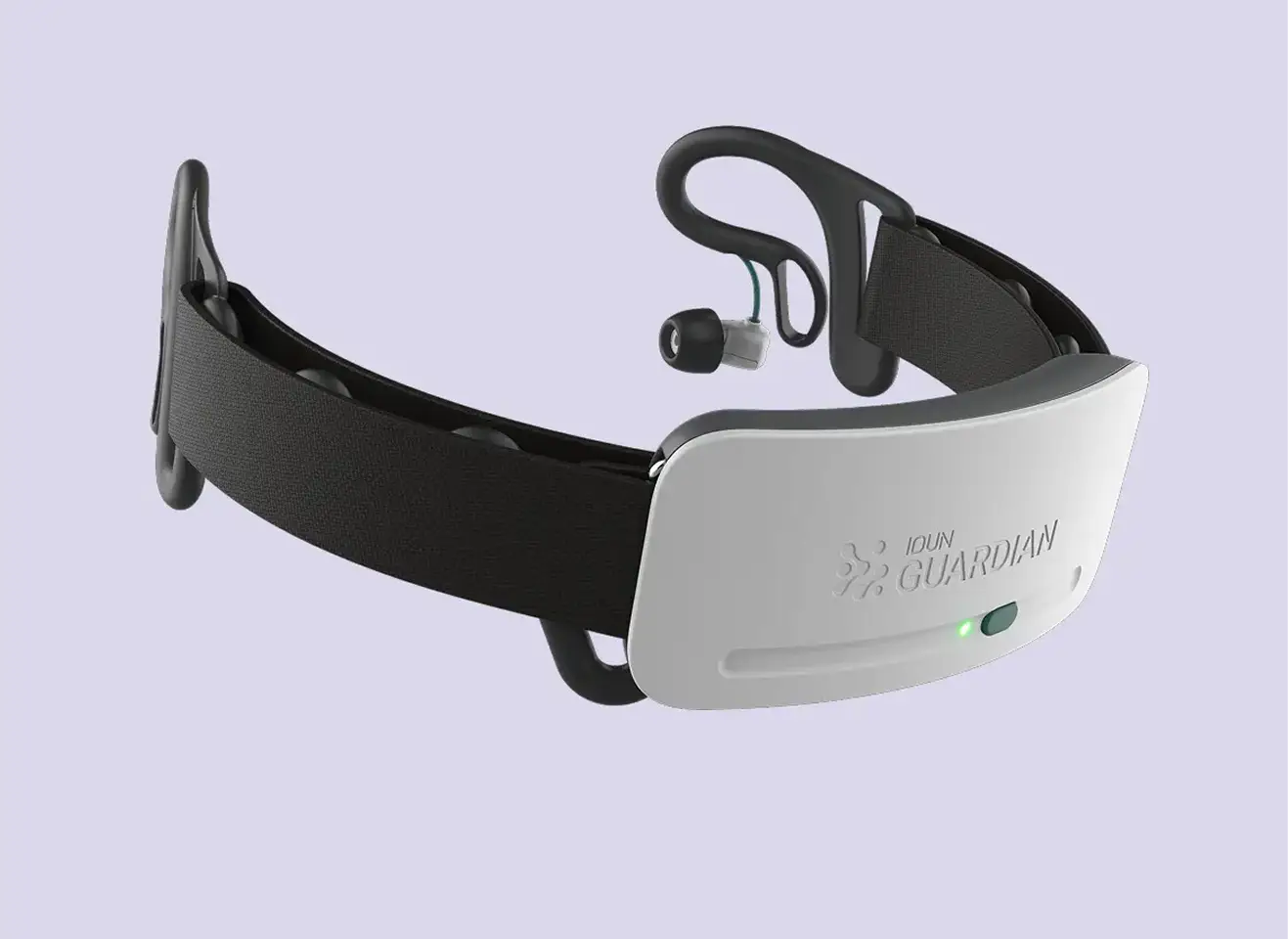 IDUN Technologies An accurate sleep tracking system with an unobtrusive design for all ear and head sizes and shapes. View case
-
 Pranaq TipTraQ, created by Pilotfish and Pranaq, improves sleep disorder diagnosis through smart biometric design. View case
01 What kinds of medical devices do you work on?
We support a range of products, including diagnostic devices, wearables, surgical tools, and connected systems. Projects can start at different stages, from early ideas to improving existing products.
02 How do you handle regulatory requirements?
We take them into account from the beginning. We align design and engineering decisions with standards like MDR, FDA, and ISO throughout the process, so compliance is built in from day one.
03 Do you work on both hardware and software?
Yes. Most medical devices today combine hardware, firmware, and interfaces. We work across these areas to ensure everything functions together as one system.
04 How do you reduce development risk?
By validating early and often. Every prototype tests a specific assumption. This helps avoid costly changes later.
05 Can you support scaling to production?
Yes. We support the transition from prototype to manufacturing, including design for manufacturability, supplier alignment, and pilot production.
06 Do you only work on new products?
No. We also help improve existing devices, whether that means better usability, updated technology, AI-enablement or preparing for new regulatory requirements.
07 What regulatory standards does Pilotfish work with?
We work within EU MDR, FDA 510(k) and De Novo pathways, ISO 13485 quality management, IEC 62366 usability engineering, IEC 62304 software lifecycle, and IEC 60601 for electrical safety. Regulatory requirements are integrated throughout development from the first design phase, which reduces the risk of late-stage redesigns and supports a smoother submission process.
08 Do you support both EU and US market submissions?
Yes. We work with clients targeting both the EU medical device market under MDR and the US market under FDA regulatory frameworks. Our team considers the applicable regulatory pathway from the earliest design phase to avoid costly late-stage changes.
MedTech projects
Have a medical device idea that needs to move forward?
Let’s turn your concept into a safe, compliant, and market-ready product.