Gender imbalance still exists in industrial design and engineering
Bias in teams leads to bias in products
Design decisions can unintentionally exclude users
Real change requires action across education and industry
The Gap Between Education and Industry
In design education, gender balance is often relatively equal.
But that balance does not carry into the industry.
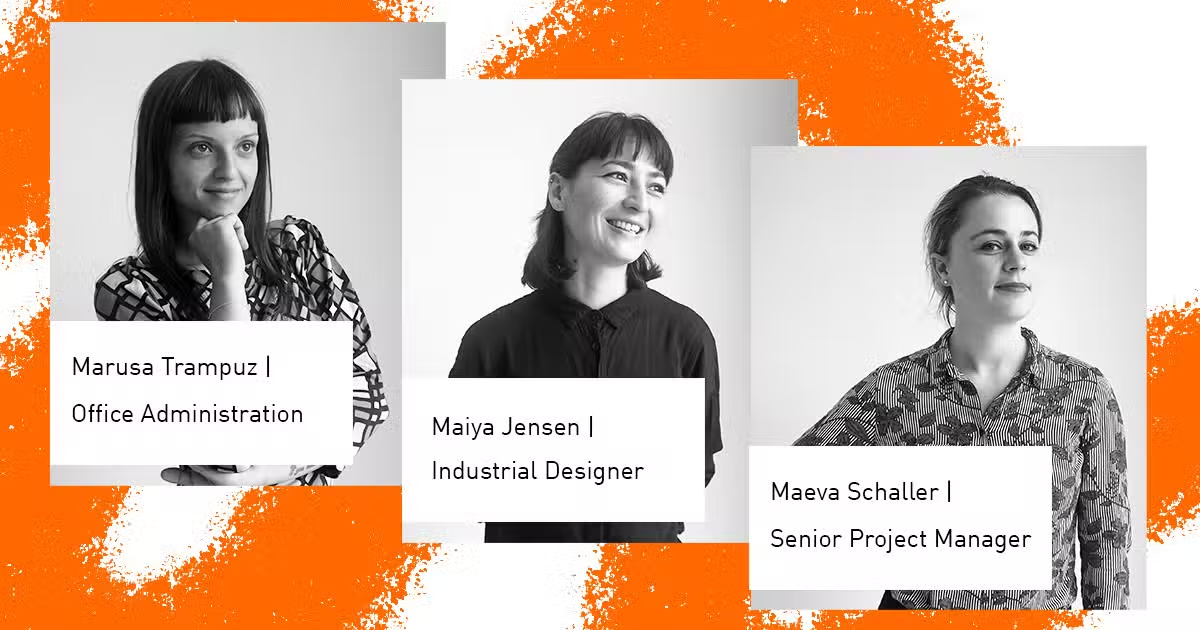
When Maiya Jensen studied at California College of the Arts, classrooms reflected a mix of perspectives. Entering the workforce, however, told a different story.
In some regions, industrial design and engineering remain overwhelmingly male-dominated.
The question is not just why this happens, but what it leads to.
How Bias Shows Up in Design
Design reflects its creators.
When teams lack diversity, blind spots emerge.
These are not always intentional, but they are real.
Examples are well documented:
- seatbelts designed around male bodies, leading to higher injury risk for women
- office environments calibrated to male physiology
- voice interfaces that respond better to male vocal ranges
These are not edge cases.
They are systemic outcomes of who is involved in decision-making.
Why the Problem Persists
There is no single explanation.
The drop-off from education to industry is shaped by multiple factors.
- Hiring bias, conscious or not
- Lack of visible female leadership
- Perceptions of what industrial design and engineering “look like”
- Early discouragement in STEM education
“I had teenagers saying ‘maths is not for me, it’s for boys.’ This was in 2017. If you don’t inspire at that age, they’re lost.”
The issue starts early, and compounds over time.
The Role of Designers Today
Awareness of bias is growing.
But awareness alone does not change outcomes.
Designers today are not just creating products.
They are shaping how people interact with the world.
“It scared me how biased everything is. It feels like this topic is still behind, even though it’s talked about a lot.”
Addressing bias requires active effort.
Not just asking who the user is, but questioning who is missing.
Designing for Real Inclusion
In his research, Simon Dybeck explored how gender bias impacts smart home technology.
He found that many systems are implicitly designed around male users, from interaction models to voice recognition.
“There’s an idea that these products are made for men. But what many users actually want is something simple, intuitive, and convenient.”
This insight goes beyond gender.
Designing for broader perspectives often results in better products for everyone.
Beyond Empathy
Designers cannot fully experience perspectives outside their own.
But they can choose to engage with them.
“You can’t fully understand someone else’s experience, but you should at least try. We need more courage to do that.”
Inclusion in design is not about perfect understanding.
It is about effort, awareness, and responsibility.
Conclusion
Gender bias in design is not just a social issue.
It is a product issue.
It affects safety, usability, and adoption.
Real change will not come from discussion alone.
It will come from how teams are built, how decisions are made, and how products are tested in the real world.