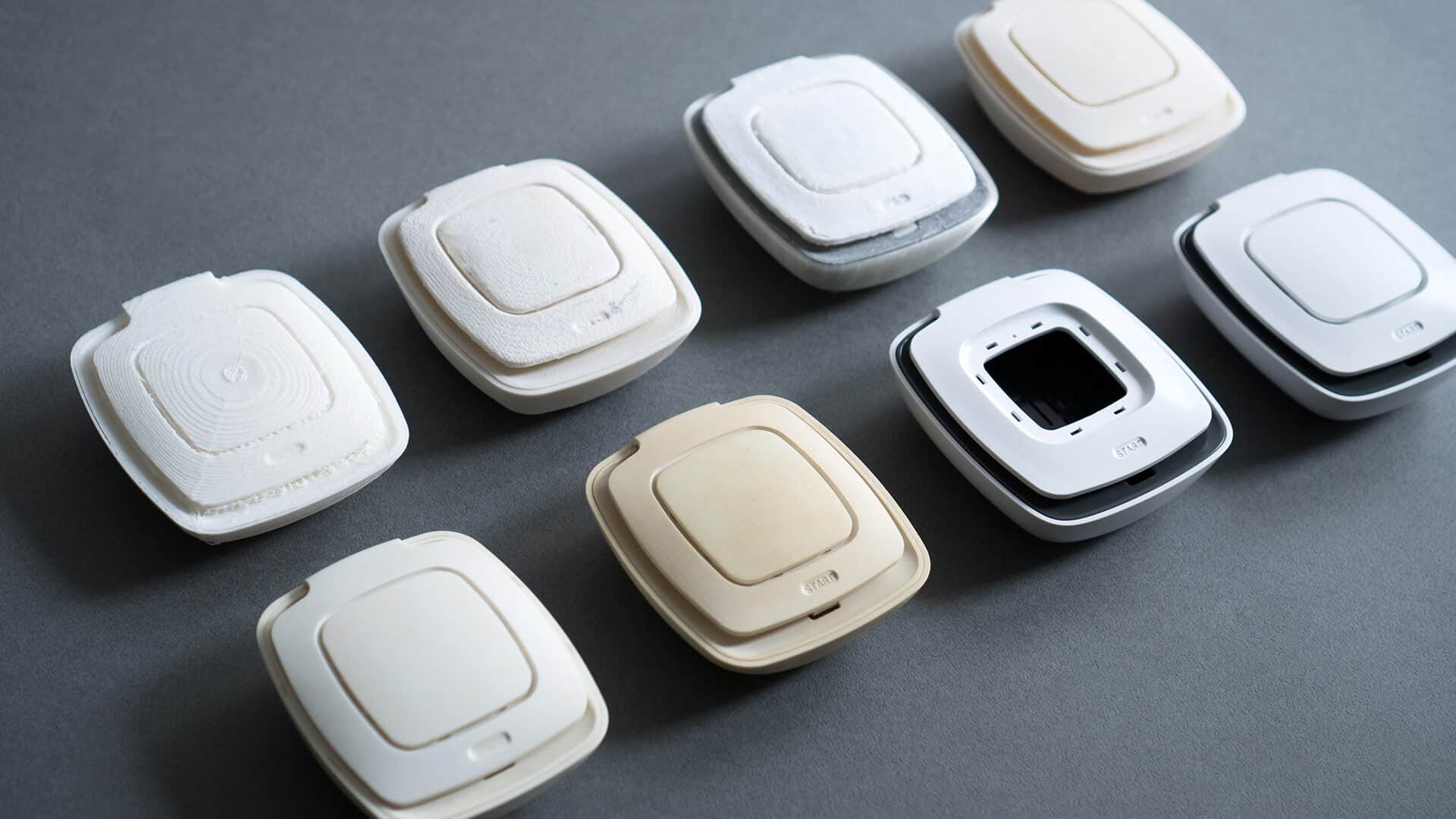

HFE Is Not Just Usability
Human Factors Engineering is often reduced to interface design or ease of use.
That is a mistake.
In MedTech, HFE is about understanding how real users interact with devices under real conditions, and designing systems that reduce the risk of error.
It is not about making products “nicer.”
It is about making them safer.
Why It Matters More Than Ever
The medical device market is growing rapidly, but so is its complexity.
Devices are becoming more connected, more software-driven, and more dependent on user interaction.
This increases the risk of use-related errors.
In fact, a significant share of product issues are not caused by technical failure, but by how devices are used.
This shifts the focus.
The question is no longer:
“Does the device work?”
But:
“Can it be used safely and correctly in real conditions?”
Where Most Companies Get It Wrong
Most teams do not ignore usability.
They delay it.
HFE is often treated as a validation step rather than a design input.
This creates two problems:
First, usability issues are discovered too late, when changes are expensive.
Second, insights from testing do not fully translate into design improvements, because teams are already locked into technical decisions.
The result is predictable.
Devices pass technical requirements but struggle in real-world use.
How HFE Should Be Integrated
HFE works when it is embedded into the development process, not layered on top.
At Pilotfish, usability and risk management are integrated from the earliest stages.
This includes:
- identifying potential use errors early
- linking risks directly to design decisions
- testing concepts with real users
- iterating continuously based on feedback
“HFE only works when it directly influences design. If it sits in a separate process, it loses impact.”
The Business Impact of Usability
HFE is often framed as a regulatory requirement.
In reality, it is also a business decision.
Poor usability leads to:
- product returns
- increased training costs
- higher support requirements
- lower adoption
In contrast, well-designed devices:
- reduce errors
- improve efficiency
- increase user trust
- perform better in the market
In 2024, a significant portion of device returns were linked to user-related issues, not technical failure.
That is not a usability problem.
It is a product strategy problem.
Compliance as a Byproduct of Good Design
Regulatory frameworks such as IEC 62366 and ISO 14971 require structured usability engineering and risk management.
But compliance should not be the goal.
It should be the result.
When usability is built into the product from the start, documentation becomes clearer, validation becomes smoother, and regulatory approval becomes faster.
Conclusion
Human Factors Engineering is not an optional layer.
It is a core part of building safe, effective medical devices.
Companies that integrate it early reduce risk, move faster, and build products that actually work in the real world.
Those that don’t often discover the problem too late.