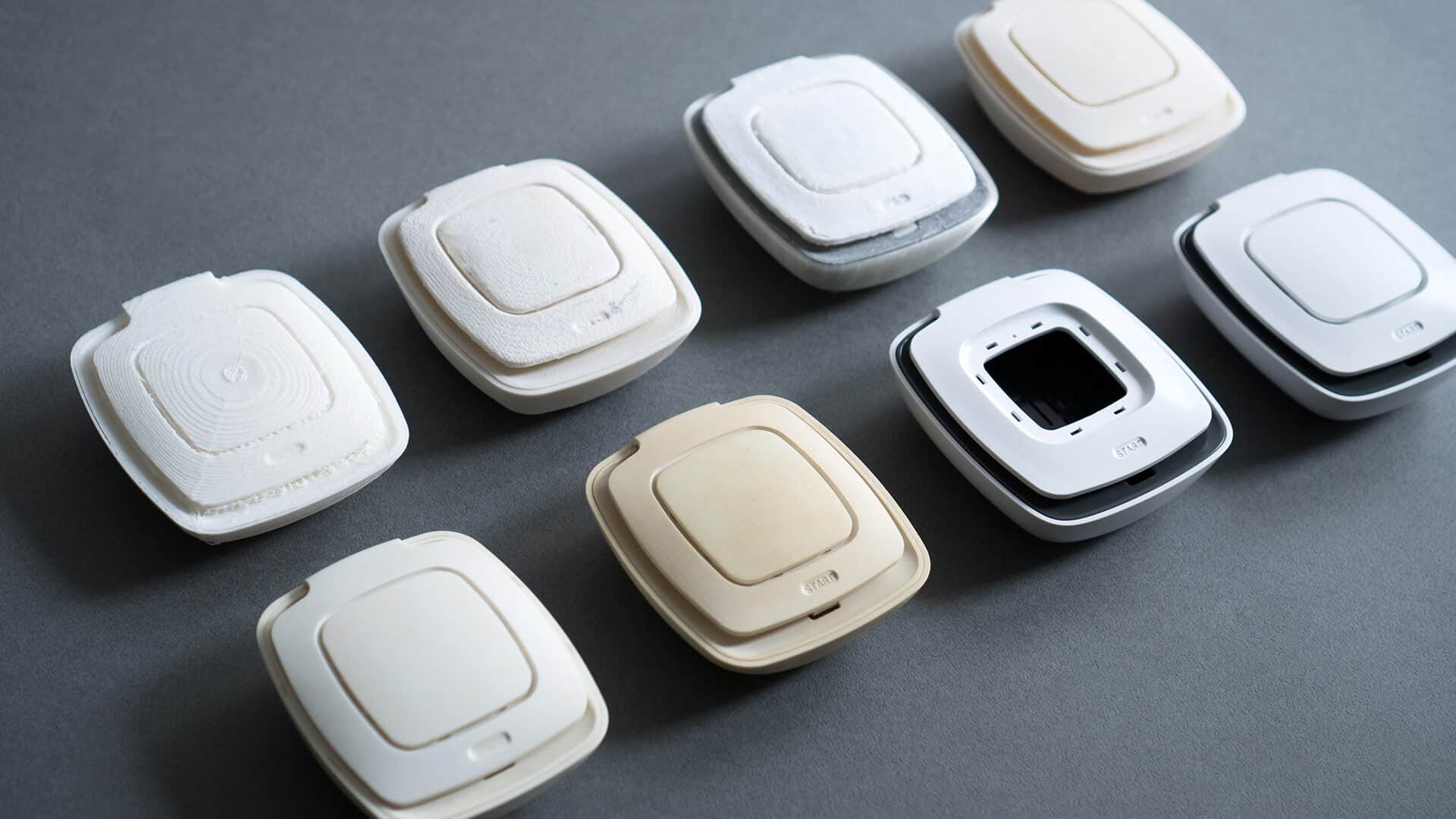

Safety vs. user-friendliness
Most medical device design companies naturally place compliance at the center of development. Safety requirements shape specifications, testing, and documentation. But too often, this leads to usability being treated as secondary.
As Pilotfish Innovation Manager Daniel László-Deli puts it:
“Medical companies approach product development looking at what they have to do, instead of doing what’s needed to make a great product. With consumer products, usability is make-or-break. Medical devices may still get bought if they’re not user friendly, but poor usability creates long-term risks.”
Why make devices user friendly?
Creating user-friendly medical devices is not just about convenience. It directly impacts:
- Patient safety: intuitive design reduces errors and misuse.
- Clinical efficiency: easier devices mean faster workflows, shorter training, and lower costs.
- Treatment adherence: patients are more likely to use devices consistently if they are simple and comfortable.
- Healthcare equity: accessibility and inclusivity improve when devices are designed with diverse users in mind.
- Business success: usability supports long-term adoption, customer satisfaction, and market growth.
As Daniel László-Deli explains:
“If the device is easier to use, it’s often quicker to use, which in hospital environments directly impacts scheduling, cost, and the ability to introduce new procedures.”
How do you make devices user-friendly?
Making a device usable requires a holistic and structured approach. That means:
- Defining critical functions early: What must the device absolutely do? Where will it be used? Who are the users?
- Integrating human factors engineering: Usability needs to be embedded into design decisions, not treated as an afterthought.
- Testing early and often: Don’t wait for polished prototypes. Even sketches, mock-ups, and paper models provide valuable user feedback.
- Engaging real end users: Not just senior staff or department heads. Nurses, technicians, and patients often reveal the most actionable insights.
As László-Deli stresses:
“The medical industry is hierarchical, but to get meaningful insights, you must meet the real users. They have a layered, practical understanding that leaders may not.”
What feedback do you need from end users?
Healthcare is a high-pressure, complex environment. To ensure usability, designers must understand both functional and contextual factors, such as:
- Stress level of the situation: Emergency use vs. routine care.
- User expertise: Specialists, general practitioners, nurses, or patients.
- Environment: Is the room crowded? Heated enough for a half-naked exam? Is data being captured and handed over seamlessly?
- Workflow: Who applies, cleans, maintains, and reads the device? How is information transferred between stakeholders?
By asking these questions, designers can uncover hidden friction points. In many cases, devices can even be designed to improve information flow and reduce communication errors across clinical teams.
Usability and safety: two sides of the same coin
Designing a safe and compliant medical device does not mean sacrificing usability: the two must be interwoven. Validation and verification should confirm not only that the device meets technical standards, but also that it performs reliably in the real-world conditions where it will be used.
When safety, usability, and compliance are developed in parallel, medical devices achieve better adoption, fewer errors, and stronger market success.
At Pilotfish, we integrate human factors engineering, industrial design, and ISO 13485 product development expertise to help startups, scale-ups, and corporates build devices that are not just compliant, but truly user-friendly.
Learn more about how we accelerate innovation with our Fast-to-Product framework.