
The Problem with ESD Packaging
Modern logistics depends on reliable packaging, especially for sensitive electronic components.
ESD packaging protects products from electrostatic discharge, which can damage or destroy electronic systems. However, the materials used today come with a cost.
Most ESD packaging solutions rely on multi-layer plastics, metals, and coatings that are difficult to recycle and contribute significantly to waste.
As global logistics grows, so does the environmental impact.
A New Material Approach
Pilotfish is collaborating with researcher Rodolphe Koehly to explore an alternative.
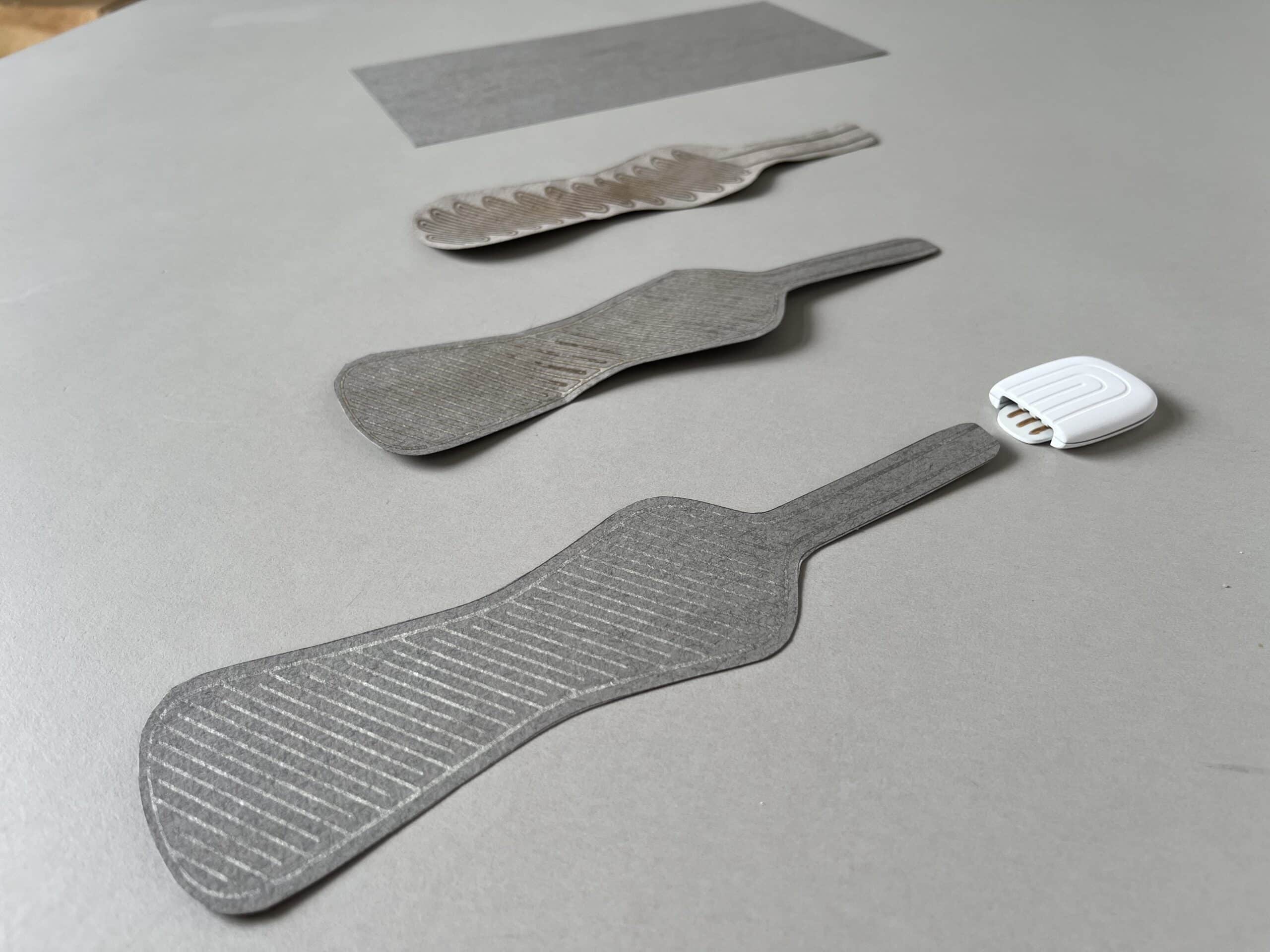
The focus is on developing a material made from cellulose and carbon pigments that can provide ESD protection while remaining recyclable and biodegradable.
“We’re trying to reproduce the same concept, but only with cellulose and carbon pigments, making it recyclable, renewable, and sustainable.”
Paper, as a base material, offers promising properties. It is renewable, widely available, and already integrated into global recycling systems. The challenge is achieving the same protective performance as traditional materials.
From Concept to Feasibility
The project is currently focused on testing whether this new material can absorb and dissipate electrostatic charge effectively.
“My paper has the ability to absorb the energy of the charge. Now we are trying to confirm that. There are still experiments to conduct, but there is no reason why it shouldn’t work.”
While promising, the solution is still in development. Technical challenges remain, particularly in ensuring consistent performance and scalability.
Potential Industry Impact
If successful, this approach could significantly reduce the environmental footprint of ESD packaging.
“If we are able to replace ESD plastics, that could have a dramatic global impact. But there are still major challenges to solve.”
The potential is substantial. The global ESD packaging market is expected to grow significantly over the coming years, increasing demand for more sustainable solutions.
A viable alternative could reshape how sensitive electronics are packaged and transported worldwide.