The Challenge Behind Human-Centric Lighting
Human-centric lighting (HCL) is designed around people.
It adapts light to support well-being, productivity, and natural rhythms.
But the technology behind it is complex.
Multiple lighting scenarios, user preferences, and system configurations need to be controlled through a single interface.
The challenge is not just technical.
It is about making that complexity usable.
Turning Complexity into Simplicity
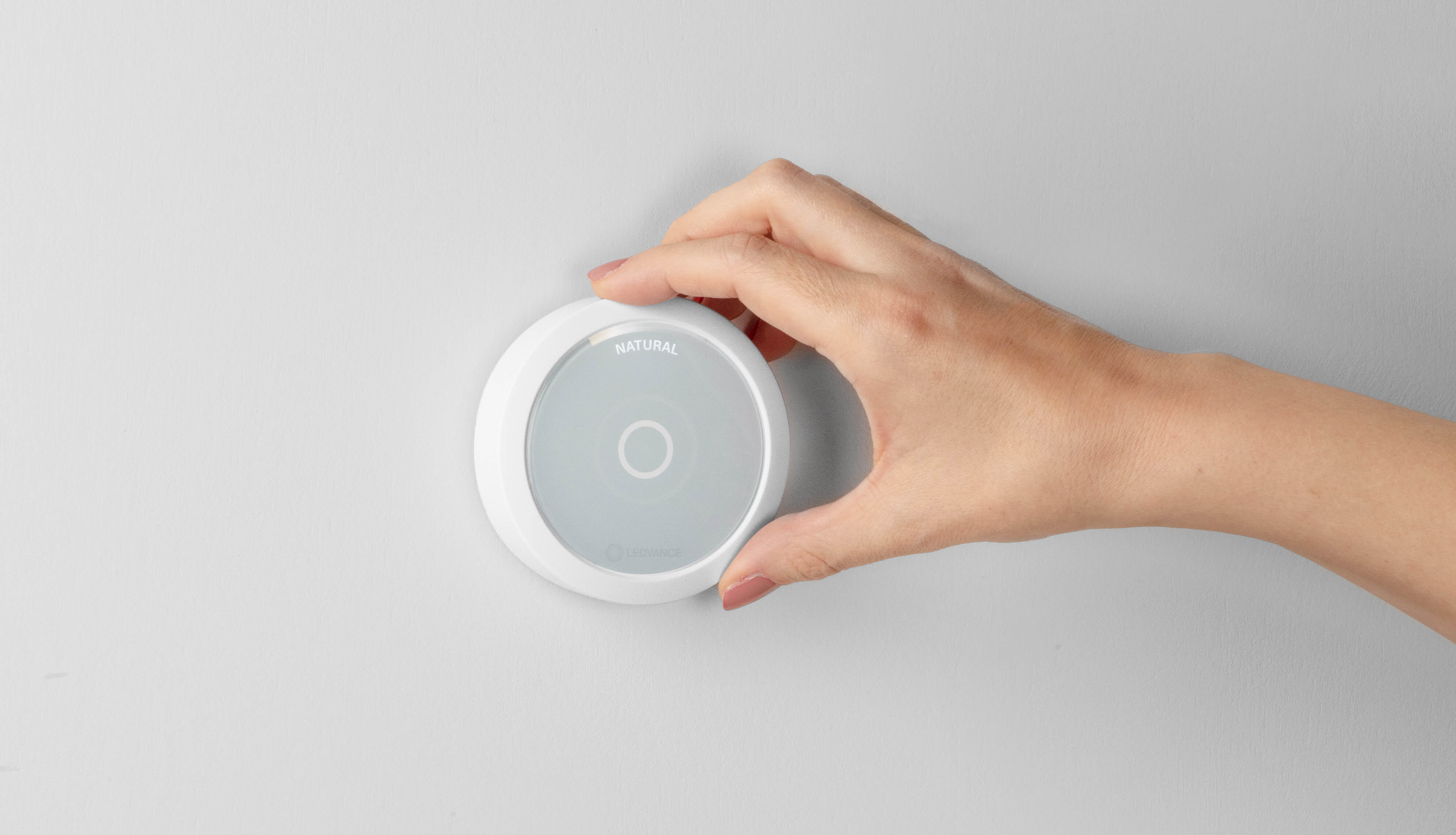
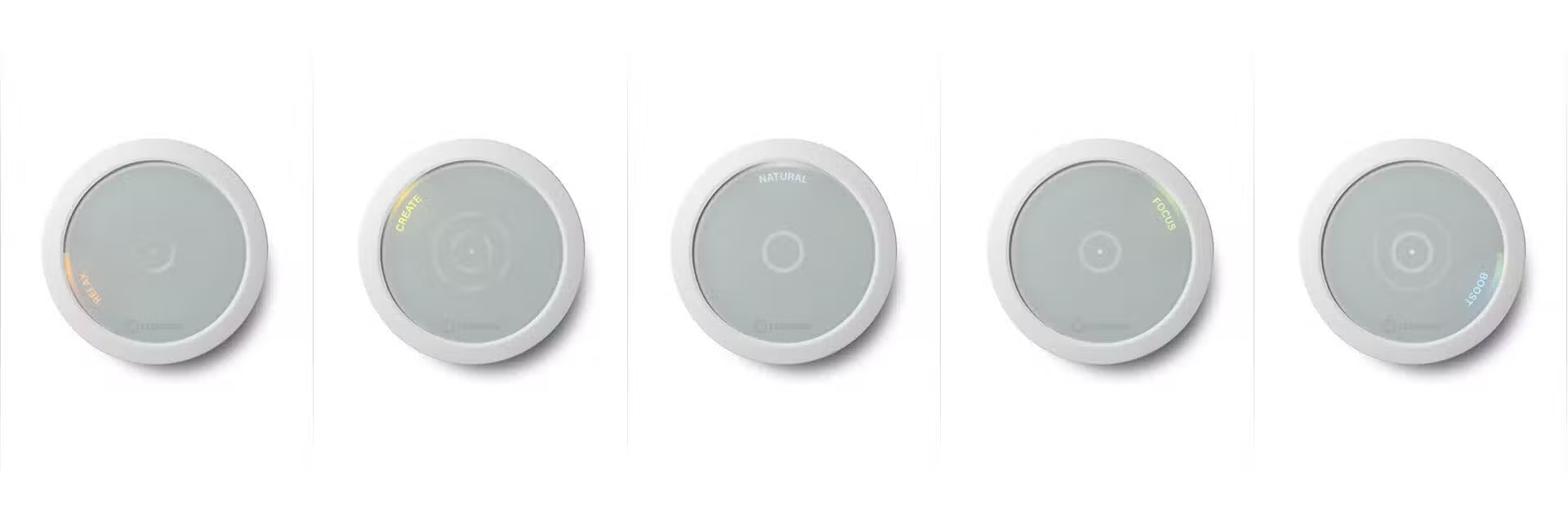
The BIOLUX control unit was designed as a wall-mounted interface for managing HCL luminaires.
The goal was clear.
Make advanced lighting systems easy to understand and operate.
This required balancing:
- technical functionality
- clear user interaction
- visual simplicity
Every decision, from interface layout to physical interaction, needed to reduce friction.
An Integrated Development Approach
At Pilotfish, the control unit was developed as a fully integrated product.
This included:
- industrial design
- user interface design
- electronic hardware development
- mechanical engineering
- production
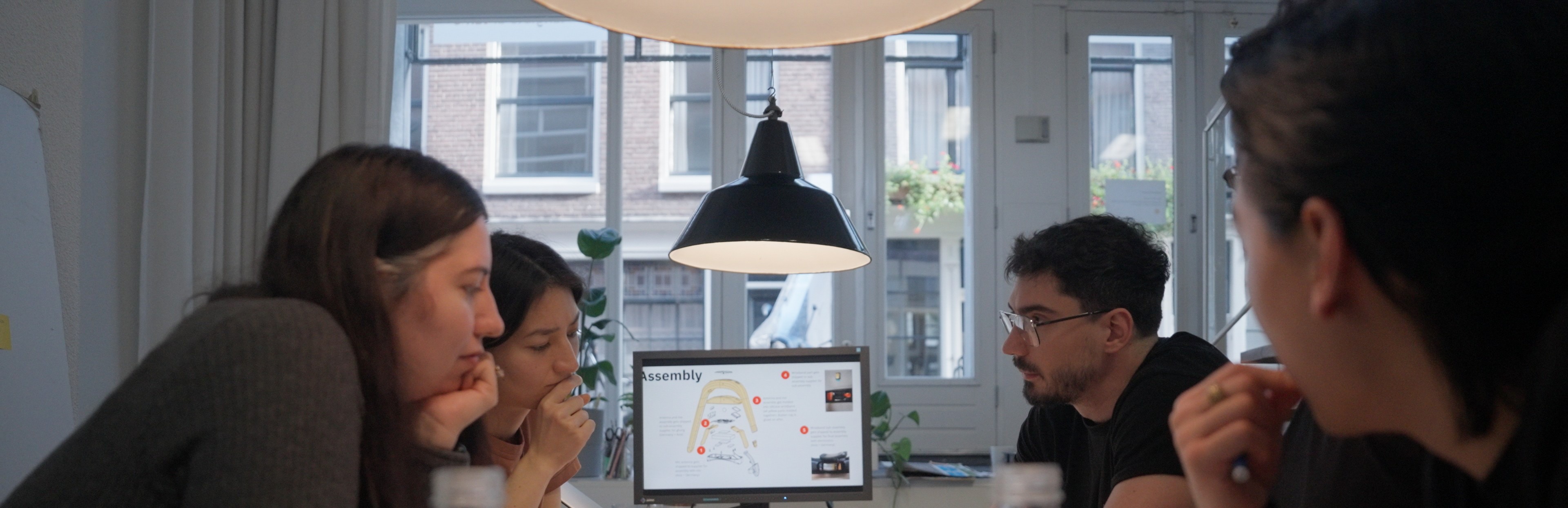
“The complexity of the overall design was enormous. Designers, engineers, and UI specialists worked closely together to achieve a cohesive result.”
This cross-functional approach ensured that usability was not compromised by technical constraints.
Recognition and Impact
The result was not just a functional product.
It was a product recognized for its design quality and execution.
The BIOLUX control unit received:
- Red Dot Award for Product Design
- German Innovation Award in Lighting Solutions
- Taiwan Golden Pin Design Mark
These awards reflect more than aesthetics.
They validate the ability to translate complex systems into meaningful user experiences.
Conclusion
Designing for human-centric systems is not about adding features.
It is about making complexity accessible.
The BIOLUX control unit shows that when design and engineering are fully integrated, advanced technology can become intuitive to use.